

As the summer sun reaches its peak, households everywhere experience a shift in daily operations. While the focus often turns to keeping living spaces cool with air conditioning, one of the hardest working components of any home remains out of sight and often out of mind.
The refrigerator is the only major appliance required to run twenty-four hours a day, seven days a week, regardless of the external environment. When temperatures climb, the cooling system must work significantly harder to maintain the delicate internal balance required to keep food safe and fresh. This seasonal stress can lead to increased energy consumption, mechanical wear, and even total system failure if proper precautions are not taken.
The Hidden Challenges of Summer Heat
The primary struggle for a cooling system during the summer involves the basic principles of thermodynamics. A refrigerator does not actually create cold air; rather, it removes heat from the interior and expels it into the surrounding room.
When the ambient temperature of a kitchen rises, the unit finds it increasingly difficult to shed that heat. This creates a cycle where the compressor must run for longer durations to achieve the same cooling results that would be effortless during the winter months.
Increased humidity also plays a role in summer appliance performance. Moist air entering the unit every time the door is opened can lead to frost buildup on evaporator coils. This frost acts as an insulator, preventing the coils from absorbing heat effectively.
Consequently, the motor experiences higher levels of strain, which can shorten the lifespan of various electrical components. Understanding these environmental factors is the first step in ensuring that your appliance remains reliable through the hottest weeks of the year.
Vital Maintenance Steps

Regular maintenance is the most effective way to offset the strain caused by high temperatures. By taking a proactive approach, homeowners can ensure their units operate at peak efficiency, saving money on utility bills and preventing the need for emergency services.
Cleaning the Condenser Coils
The condenser coils are responsible for dissipating the heat removed from the fridge. In many modern units, these are located at the bottom behind a base grille or at the back of the appliance. Over time, these coils accumulate dust, pet hair, and debris, which creates a thick layer of insulation. When the coils are dirty, heat cannot escape properly, forcing the compressor to work overtime.
To clean them, the appliance should be unplugged first. A vacuum with a brush attachment or a specialized coil brush can be used to gently remove the buildup. In a household with pets, this task should be performed more frequently, especially during the summer when shedding is at its peak. A clean set of coils can improve the efficiency of the unit by as much as thirty percent.
Inspecting Door Seals
The rubber gaskets lining the doors are the only barrier between the chilled interior and the sweltering kitchen air. If these seals are cracked, brittle, or dirty, cold air will constantly leak out, and warm air will seep in. This causes the internal temperature to fluctuate, which is both inefficient and dangerous for food preservation.
A simple way to check the integrity of the seal is the dollar bill test. Close the door on a piece of paper or a bill and try to pull it out. If it slides out easily without resistance, the gasket is likely worn and needs replacement. Keeping the seals clean with warm, soapy water also prevents sticky spills from tearing the rubber when the door is opened.
Managing Internal Temperatures
It can be tempting to turn the thermostat to the lowest possible setting when it feels hot outside, but this is rarely necessary. The ideal temperature for the fresh food compartment is between thirty-seven and forty degrees Fahrenheit. The freezer should be set exactly at zero degrees.
Using a standalone appliance thermometer can provide a more accurate reading than the built-in dial, allowing for precise adjustments that maintain safety without overtaxing the motor.
Strategies for Efficient Cooling
Beyond physical maintenance, how the appliance is used on a daily basis determines its resilience against the heat. Small shifts in habit can lead to significant improvements in performance.
Optimizing Airflow
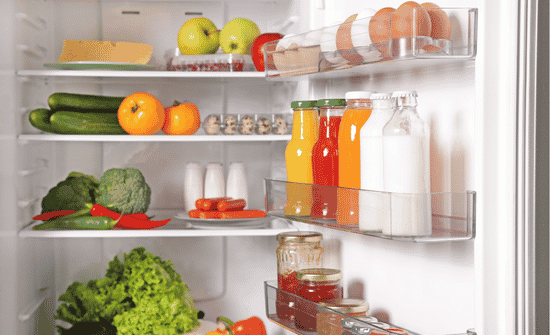
Internal and external airflow are both critical. Inside the unit, air needs to circulate freely to maintain a consistent temperature across all shelves. Overstocking the fridge can block the vents, leading to warm spots and uneven cooling. Conversely, a completely empty fridge is also inefficient because there is no thermal mass to hold the cold. Keeping the unit about three-quarters full is generally considered the sweet spot for efficiency.
On the exterior, the appliance needs breathing room. If a refrigerator is pushed too tightly against the wall or crowded by cabinetry, the heat expelled by the coils will be trapped. Ensuring there is at least an inch or two of space on all sides allows for the convection of warm air away from the mechanical components.
Smart Usage Habits
Every time the door is opened, a large volume of cold air escapes and is replaced by warm, humid kitchen air. During the summer, it is wise to minimize the duration the door remains open.
Deciding what you need before opening the door or organizing items so they are easy to find can make a meaningful difference. Additionally, never place hot leftovers directly into the fridge. Let food cool to room temperature on the counter first to prevent a sudden spike in the internal temperature that the compressor must work to correct.
Recognizing When You Need Assistance
Even with the best maintenance routines, mechanical issues can still arise due to the sheer intensity of summer operation. Homeowners should stay alert for warning signs such as excessive vibration, pools of water on the floor, or a compressor that never seems to shut off. If the interior remains warm despite the settings being correct, it may indicate a refrigerant leak or a failing start relay.
In such cases, seeking professional help is essential to prevent a total loss of food inventory. For those residing in Northern Utah, finding a specialist for refrigerator repair in Kaysville can ensure that a technician arrives with the specific tools and knowledge required to diagnose complex cooling issues quickly. Addressing a minor sound or a slight temperature drift early can save the expense of a full compressor replacement later in the season.
Establishing Long-Term Habits
The key to appliance longevity is consistency. While summer is the time of highest risk, the habits established during these months should continue year-round. Scheduling a deep clean of the coils twice a year and performing monthly checks on the door gaskets ensures that the unit is never caught off guard by a sudden heatwave.
By treating the refrigerator as a precision instrument rather than a passive box, you can enjoy a cool kitchen and fresh food through the most grueling summer months and well into the future.