
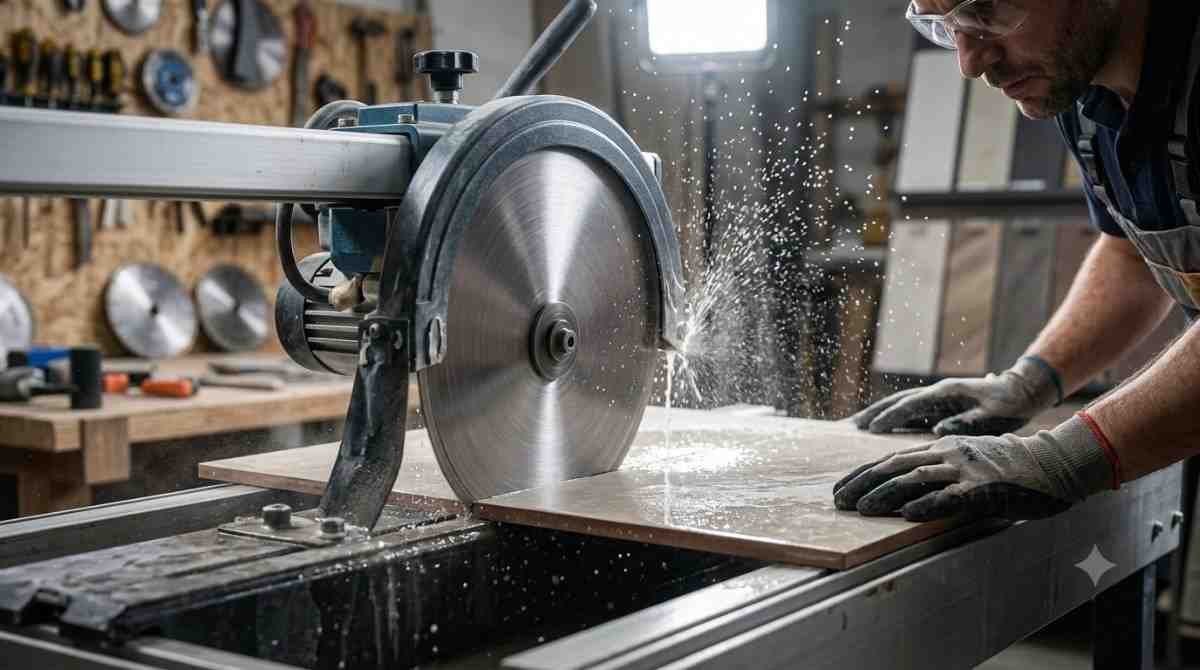
Selecting the appropriate diamond blade is essential for achieving efficient and precise cutting results across various materials. Diamond blades are widely used in construction, engineering, and manufacturing due to their durability and cutting performance. This article explores the key considerations when choosing a diamond blade to suit particular applications and materials.
Understanding Diamond Blades
Diamond blades are specialized cutting tools that feature diamond segments bonded to the edge of a steel blade. The diamond segments provide superior hardness, enabling the blade to cut through tough materials such as concrete, masonry, stone, and ceramics. These blades are available in different types, each engineered for specific cutting tasks.
Types of Diamond Blades
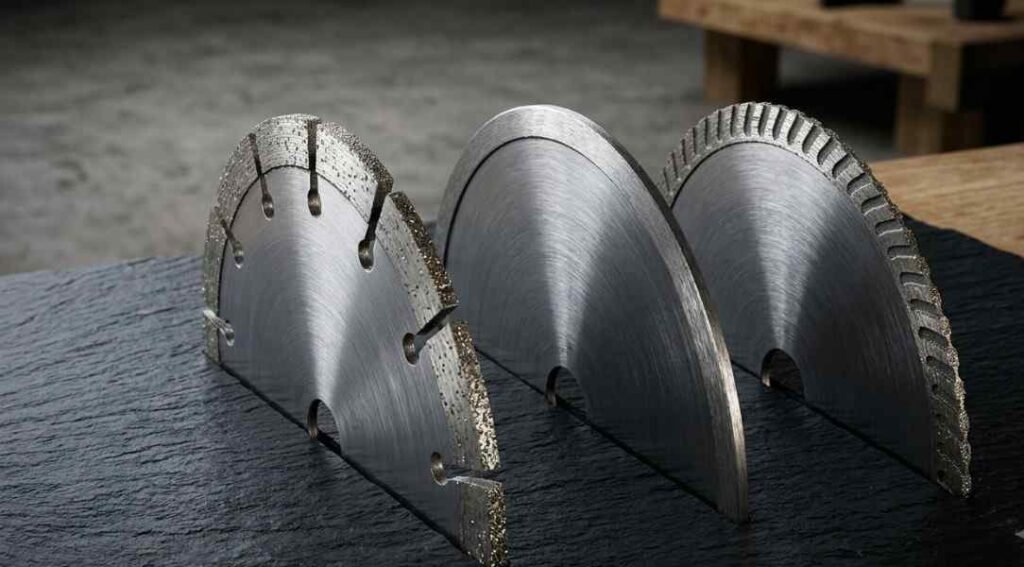
Diamond blades are generally classified into three main categories: segmented, continuous rim, and turbo blades. Each blade type serves different cutting purposes and materials.
Segmented diamond blades have individual segments separated by slots, which aid cooling and debris removal. These blades are suitable for cutting hard materials such as concrete, brick, and stone.
Continuous rim blades have a smooth edge without segments. They are typically used for cutting softer materials like tiles and ceramics, where a clean cut is essential.
Turbo blades combine features of both segmented and continuous rim blades, offering fast cutting speeds with a smoother finish. They are often used for cutting reinforced concrete and asphalt.
Material Compatibility
Choosing the right diamond blade depends heavily on the material to be cut. Diamond blades are tailored to maximise efficiency and blade life for specific materials.
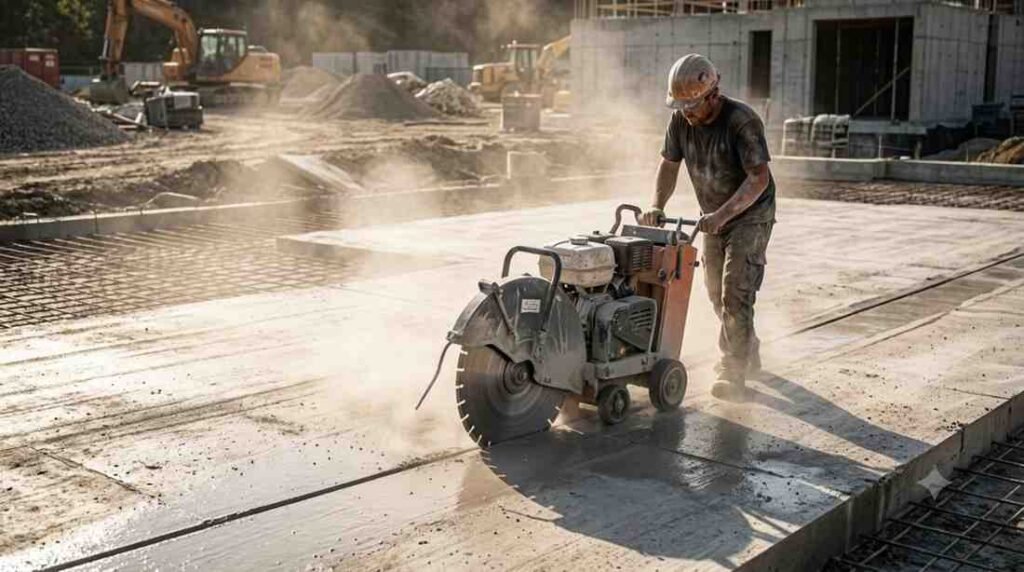
Concrete cutting requires diamond blades that can withstand abrasive qualities and possible reinforcement such as rebar. Segmented or turbo blades are commonly recommended for these tasks due to their robustness and ability to dissipate heat effectively.
For cutting natural stone like granite or marble, blades with softer bonds and a continuous rim or turbo design provide a clean and precise finish while minimising chipping or damage.
Tiles and ceramics demand diamond blades that ensure smooth cuts without causing cracks. Continuous rim blades are most suited for such delicate materials.
Blade Size and Thickness
The size and thickness of a diamond blade affect cutting depth and speed. Larger diameter blades can cut deeper in a single pass but may require more powerful machinery.
Thinner blades reduce material waste and provide faster cutting speeds but may wear faster, particularly when cutting very hard or abrasive materials.
It is crucial to select a blade size compatible with the cutting equipment and the requirements of the task, balancing cutting depth, speed, and blade longevity.
Bond Hardness and Diamond Segment Concentration
The bond hardness of a diamond blade refers to how strongly the diamonds are held in place by the metal matrix. This factor must be matched to the material hardness. Harder materials require softer bonds that allow the diamonds to expose themselves gradually, whereas softer materials require harder bonds to prevent rapid wear.
Diamond segment concentration also impacts blade performance. Higher concentrations provide faster cutting but may reduce blade lifespan, while lower concentrations tend to last longer but cut more slowly.
Wet vs Dry Cutting
Diamond blades are designed for either wet or dry cutting, and the choice depends on the application and environment. Wet cutting uses water to cool the blade and suppress dust, extending blade life and improving cutting accuracy.
Dry cutting blades are designed to operate without water but typically produce more dust and heat. It is essential to use blades specifically rated for dry cutting to avoid premature blade wear or damage.
Safety Considerations
Proper selection and use of diamond blades contribute to safe cutting operations. Using the incorrect blade type or size can increase the risk of blade breakage, material damage, or operator injury.
Operators should ensure blades are compatible with their cutting equipment and meet the required safety standards. Regular inspection of blades for wear or damage is also important for maintaining safety.
Blade Maintenance and Storage
Maintaining diamond blades helps extend their operational life. Blades should be cleaned regularly to remove debris and stored in a dry, secure location to prevent damage.
Proper blade mounting and alignment with the cutting equipment minimise vibration and ensure an efficient cutting process.
Cost versus Performance
The cost of diamond blades varies depending on quality, size, and application. While it may be tempting to purchase cheaper blades, investing in a high-quality diamond blade can lead to better cutting performance, reduced downtime, and longer blade life.
Users should evaluate the total cost of ownership, considering blade longevity, cutting speed, and quality of finish, rather than focusing solely on the initial purchase price.
Common Applications
Diamond blades have widespread use in industries such as construction for cutting concrete slabs, masonry walls, asphalt roads, and stone countertops.
Manufacturing facilities also rely on diamond blades for precision cutting of ceramics, tiles, and composites in product fabrication.
In civil engineering, diamond blades assist with structural modifications and renovations where accurate cutting of reinforced materials is required.
Conclusion
Choosing the right diamond blade depends on a series of factors including material type, cutting method, blade size, bond hardness, and operational environment. Understanding these considerations ensures optimal cutting performance, safety, and cost-effectiveness.
Consulting reputable suppliers and manufacturers can provide guidance tailored to specific needs, helping professionals select the most suitable diamond blade for their projects.