
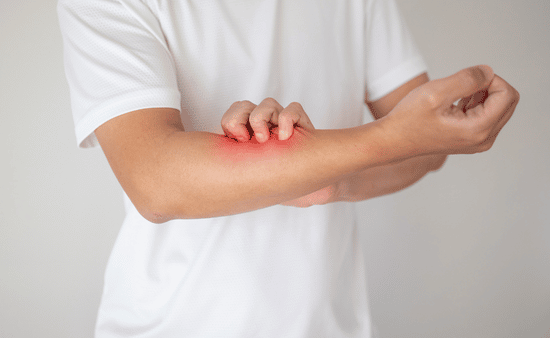
Have you ever noticed that your skin reacts negatively during the busiest or most taxing periods of your life? It is a common experience, yet many people dismiss it as a coincidence or simply attribute it to a lack of sleep. In reality, there is a profound connection between your mental state and the health of your largest organ.
Your skin acts as a barrier that not only protects you from environmental threats but also mirrors your internal well-being. When you are under pressure, your body initiates a physiological response that can leave your skin feeling tight, dry, and persistently itchy.
The Biological Link between Stress and Skin

To understand why your skin suffers during stressful times, you must look at how the body handles pressure. When you encounter a stressful situation, your brain triggers the release of stress hormones, primarily cortisol.
While cortisol is useful in short bursts to help you navigate immediate dangers, chronic stress keeps these hormone levels elevated for extended periods. This highlights the physical toll of stress, which can affect multiple body systems and often becomes visible through changes in skin health and appearance.
Cortisol and Moisture Loss
Elevated cortisol levels have a direct impact on your skin. They can alter the way your skin produces oil, sometimes increasing production, which leads to breakouts. Conversely, for many others, chronic stress impairs the ability of the skin to retain moisture.
This results in a compromised barrier function, where the protective outer layer of the skin becomes porous and weak. As the skin loses moisture more rapidly, it becomes dry, flaky, and uncomfortable.
Inflammation Processes
Beyond simple dryness, stress is a potent trigger for inflammation. Cortisol and other stress-related chemicals can disrupt the normal balance of your immune system. This disruption can cause the immune system to overreact, sending inflammatory signals to the skin.
When your skin is inflamed, it becomes significantly more sensitive. This sensitivity is often accompanied by a persistent, nagging itch. This is not just a surface-level sensation. It is a neurological signal resulting from the interplay between your nervous system and your skin.
The more you scratch, the more the skin barrier is damaged, which releases further inflammatory signals. This creates a difficult cycle where stress leads to itching, and the physical irritation of the skin leads to more stress, making the condition harder to manage.
Why Stress Triggers Skin Issues

While anyone can experience dry, itchy skin during a stressful period, those who already live with chronic skin issues often notice that their symptoms flare up significantly when tension rises. Conditions such as psoriasis, rosacea, and dermatitis often track closely with emotional turmoil.
For instance, many people find that their skin becomes unpredictable during major life transitions or high-stress work projects. This is because the body is already working overtime to manage internal pressure, leaving fewer resources for the delicate task of maintaining skin health.
When the skin barrier is already weak, the additional impact of stress-induced inflammation is often the tipping point that causes a full-blown flare-up.
Lifestyle Strategies for Better Skin
Managing skin health under stress requires a dual approach. While topical treatments are necessary to soothe the immediate physical discomfort, addressing the root cause, which is your stress level, is equally important.
Sleep and Diet
Start by prioritizing sleep. During deep sleep, the body undergoes a repair process that includes the regeneration of skin cells. Even a marginal increase in sleep quality can allow your skin to recover more effectively from the daily wear and tear of stress.
Furthermore, nutrition plays a significant role. Incorporating foods rich in healthy fats, such as avocados, nuts, and fish, can help reinforce the skin barrier from the inside out, providing a more robust defense against moisture loss.
Mindfulness Practices
Mindfulness practices, such as meditation or deep breathing exercises, can also modulate the stress response of your body. By signaling to your nervous system that you are safe, you can lower the production of stress hormones, which in turn helps dampen the inflammatory response in your skin.
When to Consult Professionals

There are times when lifestyle changes and home care are simply not enough to get your skin back on track. If you find that your skin irritation is persistent, severe, or begins to interfere with your ability to perform daily tasks, it is essential to consult with a medical professional.
If you are struggling with persistent flare-ups, professional guidance is invaluable. For instance, those looking for eczema treatment in Salt Lake City have access to specialized care that can address severe symptoms and provide long-term management strategies.
A dermatologist can help you distinguish between simple stress-induced dryness and underlying skin conditions that may require specific medical intervention. They can offer tailored advice on products that are gentle enough for compromised skin and identify potential allergens or environmental factors that may be compounding the problem. Do not hesitate to reach out for help, as professional care can often be the fastest route to relief and restoration.
Long-term Skin Maintenance
Your skin is a window into your overall health. When it feels tight, itchy, or dry, it is often a gentle nudge from your body to slow down and prioritize your emotional and physical recovery. By recognizing the mind-skin connection and taking proactive steps to manage your stress, you can foster a healthier relationship with your skin.
Remember that caring for your skin is not just about the products you apply; it is about cultivating a lifestyle that supports your well-being on every level. Through a combination of stress reduction, gentle skincare, and professional support when needed, you can maintain a complexion that looks and feels healthy regardless of life’s pressures.