

Dental pain is a pervasive issue that can significantly impact daily life, ranging from a mild ache to an excruciating throb. It’s a clear signal from your body that something is amiss within your oral health. While often associated with cavities, dental discomfort has diverse origins, encompassing a spectrum of issues affecting the teeth, gums, and surrounding structures. Understanding these common causes is the first step toward effective relief and prevention.
Tooth Decay and Cavities
Cavities are among the most common causes of dental pain, and they don’t develop overnight. Tooth decay begins when bacteria in the mouth produce acids that gradually erode the hard outer layer of a tooth—the enamel. Left untreated, this erosion can progress deeper into the tooth, eventually reaching the sensitive inner layers where nerves and blood vessels reside.
Early-stage cavities may produce little to no discomfort, which is why routine dental check-ups are so important. As decay progresses, you may notice sharp pain when biting down, lingering sensitivity to sweet foods, or a persistent dull ache. The sooner a cavity is detected, the simpler—and less painful—the treatment. A small filling can resolve the issue quickly, while advanced decay may require a crown or root canal.
Gum Disease
Gum disease is a leading cause of dental discomfort that many people overlook until it becomes a serious problem. It typically begins as gingivitis—mild inflammation of the gum tissue caused by a buildup of plaque along the gumline. At this stage, symptoms are subtle: slight redness, swelling, or bleeding when brushing.
Without intervention, gingivitis can progress to periodontitis, a more severe form of gum disease in which signs of dental infection spreads below the gumline. This causes the gums to pull away from the teeth, forming pockets that harbor bacteria.
The result is persistent pain, bone loss, and, in advanced cases, tooth loss. Beyond oral health, research has linked gum disease to systemic conditions such as cardiovascular disease and diabetes, making early treatment all the more critical.
How Gum Disease Is Treated
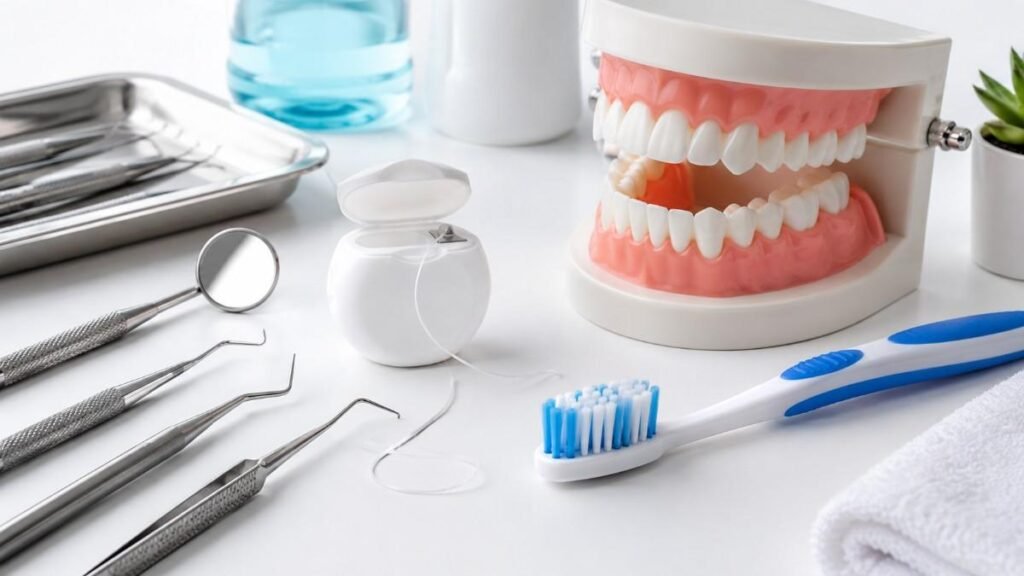
Treatment depends on the severity of the condition. Mild cases may respond well to a professional deep cleaning procedure known as scaling and root planing, which removes plaque and tartar from beneath the gumline. More advanced cases may require surgical intervention. Regardless of the stage, consistent oral hygiene—brushing twice daily and flossing—remains the most effective preventive measure.
Cracked or Chipped Teeth
A cracked or chipped tooth can cause pain that is sharp and sudden, particularly when biting or chewing. Dental fractures occur for many reasons: trauma from an accident, biting down on a hard object, or the gradual stress of teeth grinding over time.
What makes cracked teeth particularly tricky is that the pain can be inconsistent. It may come and go, making it difficult to pinpoint the exact tooth causing the discomfort. This happens because cracks expose the dentin—the sensitive layer beneath the enamel—and sometimes the tooth’s inner pulp, where the nerve lives.
Treatment options range from modern teeth replacement, bonding and dental crowns for minor fractures to root canals or extraction for more severe cases. Seeking prompt care is essential, as an untreated crack can worsen over time.
Tooth Sensitivity
Tooth sensitivity is one of the most frequently reported forms of dental discomfort. It typically presents as a brief, sharp pain triggered by hot or cold foods, sweet or acidic drinks, or even a sudden rush of cold air. The underlying cause is usually exposed dentin, the layer beneath the enamel that contains microscopic channels leading directly to the tooth’s nerve.
Dentin becomes exposed when enamel wears down due to aggressive brushing, acidic erosion, or gum recession. Fortunately, sensitivity is often manageable. Desensitizing toothpastes can help block the pain signals over time, while fluoride treatments strengthen enamel and reduce discomfort. If sensitivity is severe or persistent, a dental professional can evaluate whether a more targeted treatment—such as a gum graft or dental sealant—is needed.
Dental Abscess
A dental abscess is a pocket of infection that forms at the root of a tooth or in the surrounding gum tissue. It develops when bacteria invade the tooth’s pulp, typically as a result of untreated decay or a cracked tooth. The pain associated with an abscess is hard to ignore—it tends to be severe, throbbing, and constant, often radiating to the jaw, neck, or ear.
Other symptoms include swelling in the face or cheek, fever, a bitter taste in the mouth, and swollen lymph nodes. A dental abscess is a medical urgency. Without prompt treatment, the infection can spread to the jaw, neck, or even the brain. Treatment typically involves draining the abscess, a root canal to remove the infected pulp, or extraction in severe cases.
Impacted Wisdom Teeth
Wisdom teeth—the third set of molars at the back of the mouth—often don’t have enough room to emerge properly. When they become trapped beneath the gumline or grow at an angle, they are referred to as impacted. This impaction can cause significant pressure and pain in the back of the mouth, along with swelling, difficulty opening the jaw, and even misalignment of adjacent teeth.
Impacted wisdom teeth are also prone to infection, as the flap of gum tissue overlying a partially erupted tooth can trap food and bacteria. Wisdom tooth extraction in Ogden is the standard course of action when impacted wisdom teeth are causing pain or posing a risk to surrounding teeth. Recovery is generally straightforward, and the relief is often immediate.
TMJ Disorders and Bruxism

Temporomandibular Joint (TMJ) Disorders
The temporomandibular joint connects the jawbone to the skull and acts as a sliding hinge that allows you to speak, chew, and yawn. When this joint becomes inflamed or damaged, it can produce a range of uncomfortable symptoms—jaw pain, a clicking or popping sensation when opening the mouth, headaches, earaches, and limited jaw movement.
TMJ disorders can stem from injury, arthritis, or habitual jaw clenching. Management strategies include physical therapy, oral splints, anti-inflammatory medications, and in some cases, surgery.
Bruxism
Bruxism—the unconscious grinding or clenching of teeth—often occurs during sleep, making it difficult for sufferers to detect on their own. Over time, bruxism causes significant wear on the tooth surfaces, heightened sensitivity, jaw pain, and even cracked teeth. It is frequently linked to stress, anxiety, and sleep disorders.
A custom-fitted nightguard worn during sleep can protect the teeth from further damage. Alongside this, stress management techniques such as relaxation exercises and behavioral therapy can help address the root cause of the grinding.
Conclusion
Dental pain is a key indicator that needs attention. Ignoring it can lead to complex issues affecting your overall health. From tooth decay and gum disease to TMJ disorders and bruxism, finding the root cause is crucial. Regular check-ups and good hygiene help prevent problems. If you have persistent pain, see a dentist for diagnosis and treatment.