
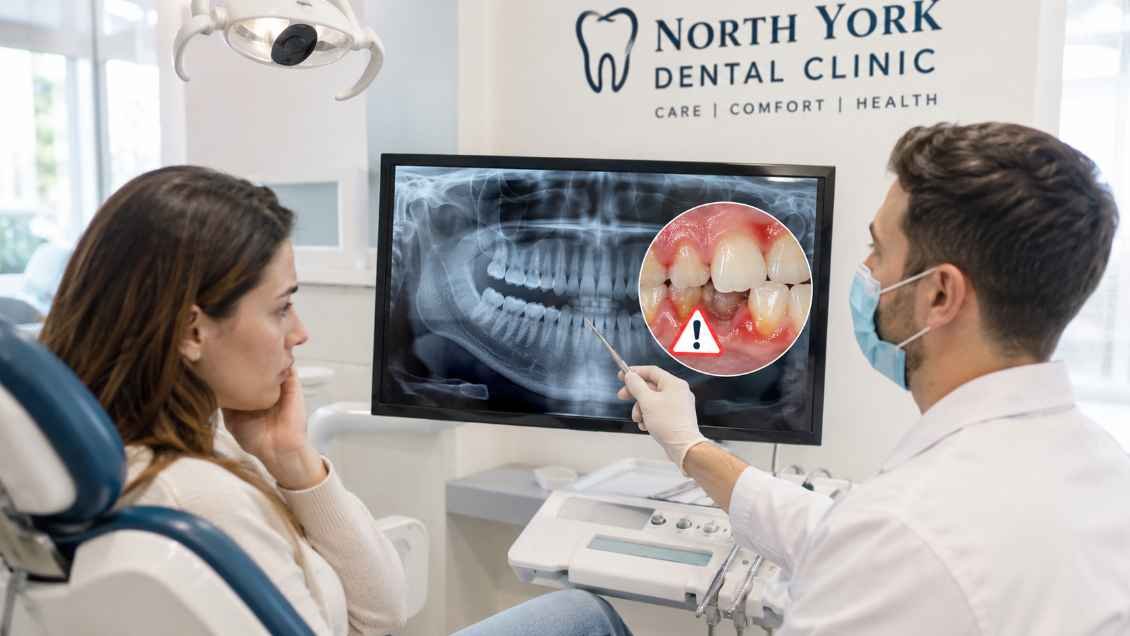
Dental treatments help restore oral health, improve chewing comfort, and protect teeth from long-term damage. After procedures such as root canals, wisdom tooth removals, dental implants, or gum treatments, proper healing becomes an important part of recovery.
Patients in North York often experience mild soreness for a short period, but certain symptoms may point to an infection that requires immediate attention from a dental professional.
Many patients visiting a dental clinic in North York expect temporary swelling or sensitivity after treatment. Residents here, dealing with harsh seasonal weather, dry indoor heating, and busy daily routines, may sometimes overlook early warning signs during recovery.
Ignoring unusual symptoms can allow bacteria to spread deeper into the gums, bone, or nearby tissue. Quick treatment helps prevent additional oral complications and supports faster healing.
Many patients may not realize that long-term oral health is closely connected to daily lifestyle habits formed early in life.
Building strong routines around hygiene, diet, and preventive care can significantly reduce dental complications in the future. You can also learn more about developing how to build healthy habits for kids early .
Persistent Swelling Around The Gums Or Jaw
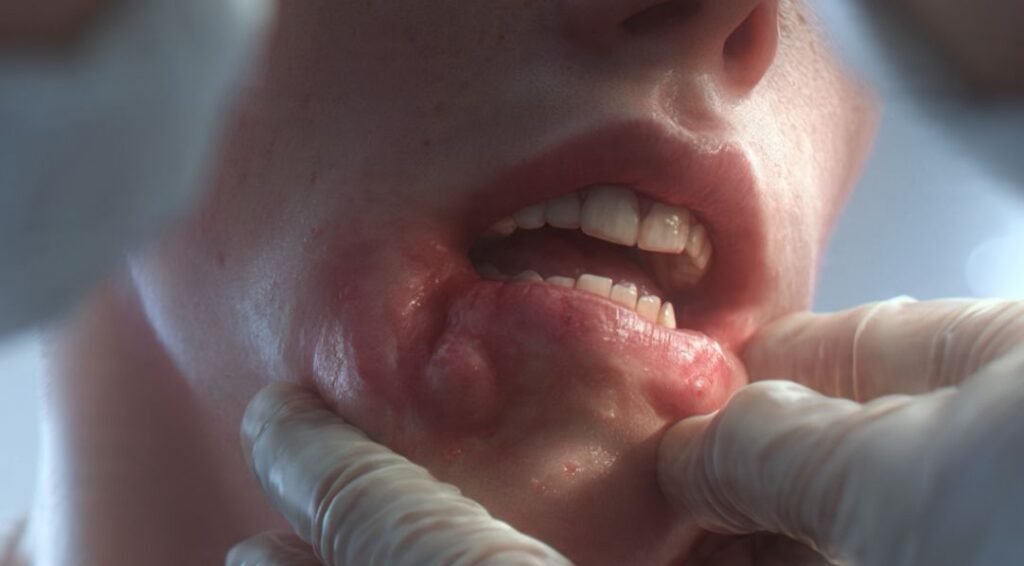
Mild swelling is common after many dental procedures, especially extractions or surgical treatments. In North York, patients should become concerned when swelling continues beyond several days or spreads toward the cheeks, jawline, or neck.
Infected areas often feel warm, firm, and painful to touch. Some individuals also notice difficulty opening the mouth fully while eating or speaking. Swelling that increases instead of improving usually signals bacterial irritation beneath the gum tissue.
Severe Pain That Does Not Improve

Pain after dental treatment should slowly decrease each day. Sharp throbbing discomfort that becomes more intense after the first few days may indicate an infection developing near the treated tooth.
Patients in North York recovering from dental work may notice pain spreading toward the ear, jaw, or surrounding teeth. Continuous pressure while chewing or lingering sensitivity to hot and cold foods can also suggest unhealthy healing conditions inside the mouth.
Common Pain Symptoms Linked To Infection
- Constant throbbing near the treated area
- Pain radiating toward the jaw or ear
- Increased tooth sensitivity after several days
- Sharp discomfort while chewing food
Pus Formation And Bad Taste In The Mouth
Visible pus near the gums is one of the clearest signs of oral infection. Thick discharge may appear yellowish or white around the treated area. Some patients also notice a persistent foul taste or unpleasant odor that remains even after brushing and rinsing.
Bacterial pockets can develop underneath the gums after dental procedures when healing becomes interrupted. Dentists of a dental clinic in North York may recommend immediate treatment to prevent the infection from damaging nearby teeth or gum tissue.
Fever And Physical Fatigue After Dental Work
Dental infections can affect overall health when bacteria enter the surrounding tissues. Fever, chills, body fatigue, or swollen lymph nodes should never be ignored after recent dental treatment.
Residents in North York managing work schedules, commuting stress, and cold weather conditions may mistake infection-related fatigue for general exhaustion.
Persistent fever combined with swelling or severe discomfort usually requires urgent dental evaluation. For more helpful guidance on maintaining overall wellness and nutrition that supports recovery nutrition tips for better fitness results.
Symptoms That Need Immediate Dental Attention
- Fever after oral surgery or dental treatment
- Facial swelling spreading toward the neck
- Difficulty swallowing or speaking
- Persistent gum tenderness with discharge
Ongoing Bleeding And Gum Irritation
Minor bleeding during the first day after treatment is normal for many dental procedures. Continuous bleeding several days later may indicate delayed healing or infection near the treatment site.
Healthy gums should gradually appear calmer and less sensitive during recovery. Bright redness, unusual swelling, or painful irritation around the treated tooth should be brought to the attention of a professional quickly.
Early dental care helps patients in North York avoid serious complications and supports safer healing after treatment.