

A well-organized home is more than just a visually pleasing environment; it is a sanctuary that supports your mental and emotional well-being. When your living space is orderly, it helps clear mental clutter, reduces stress, and significantly improves focus.
However, achieving a state of organization is only half the battle; the true challenge lies in maintaining that harmony all year long. By implementing strategic planning, smart storage, and consistent daily habits, you can transform your home into a permanent retreat of calm.
Start with a Focused Plan
Before you begin moving furniture or buying bins, you must assess your space. Identify which areas require the most attention and prioritize them to avoid feeling overwhelmed.
Breaking down the process into manageable tasks—such as starting with a single drawer or a small closet—ensures you achieve “small wins” that keep you motivated. Visualizing how you want each room to feel will help guide your organizational decisions.
The Power of Ruthless Decluttering

The cornerstone of any organized home is the removal of items that no longer serve a purpose. Decluttering should always be the first step before implementing new storage solutions. A simple yet effective strategy is to sort belongings into three distinct categories: keep, donate, and discard.
Be honest with yourself during this process. If you have not used or loved an item in the past year, it is likely time to let it go. This practice not only clears physical space but also provides emotional freedom, making room for the things that truly matter to you.
Implement Smart and Functional Storage
Once you have cleared the excess, it is time to create a system that works for your lifestyle. The goal is to make items accessible while keeping them out of sight to maintain a sense of order.
- Utilize Vertical Space: When floor area is limited, look upward. Install floating shelves, wall-mounted hooks, or tall bookcases to maximize height.
- Create Activity Zones: Designate specific areas for different tasks. For example, establish a “mudroom” zone for shoes and bags near the entrance or distinct zones in the kitchen for prep and cooking.
- Opt for Clear Containers: Using clear bins allows you to see the contents immediately, reducing the time spent searching. Always label your containers so every family member knows exactly where items belong.
- Choose Multi-Functional Furniture: Invest in pieces that pull double duty, such as ottomans with hidden storage or coffee tables with drawers.
Maximizing Your Closets
Closets often become catch-all spaces for clutter. To maintain organization year-round, use tiered shelves, hanging organizers, and slim, uniform hangers to maximize rod space. If your current setup is insufficient, researching professional closet companies in Park City can provide inspiration for customized, high-efficiency storage tailored to your specific household needs.
Adopt the “One In, One Out” Rule
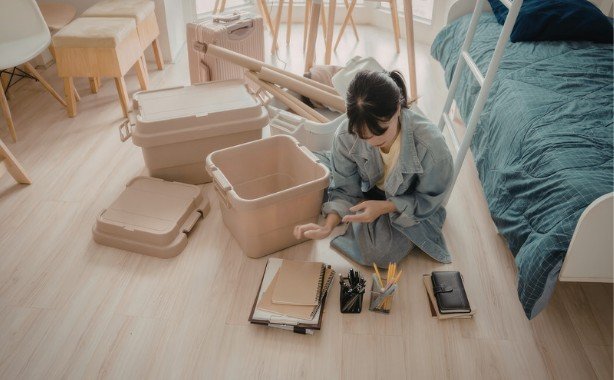
To prevent clutter from building up again, implement the “one in, one out” rule. For every new item you bring into your home—whether it is clothing, a book, or a kitchen gadget—commit to removing an existing item. This simple habit maintains a constant balance and ensures your belongings stay in check over time.
Consistency Through Daily Habits
Organization is not a one-time event; it is a daily commitment. Simple routines can prevent small messes from turning into overwhelming projects, and following practical downsizing tips for simpler lifestyle can make it easier to keep your home calm, functional, and clutter-free.
- Morning Success: Making your bed every morning instantly makes a room look cleaner and provides a sense of accomplishment.
- Immediate Action: Put items back in their designated spots immediately after use rather than leaving them “for later”.
- The Evening Tidy: Spend 10 to 15 minutes each evening putting things back in their place. This allows you to wake up to a fresh start the next day.
Involving the Whole Household
For organization to be sustainable, it must be a collective effort. Involve family members by assigning specific tasks or areas to each person. Teaching children to maintain their own spaces lightens the load for everyone and instills valuable habits for their future. Regularly discuss what systems are working and be open to adjusting them as your family’s needs evolve.
By starting with a plan, decluttering ruthlessly, and maintaining consistent daily habits, you can enjoy a home that remains an inviting, stress-free sanctuary all year long.