
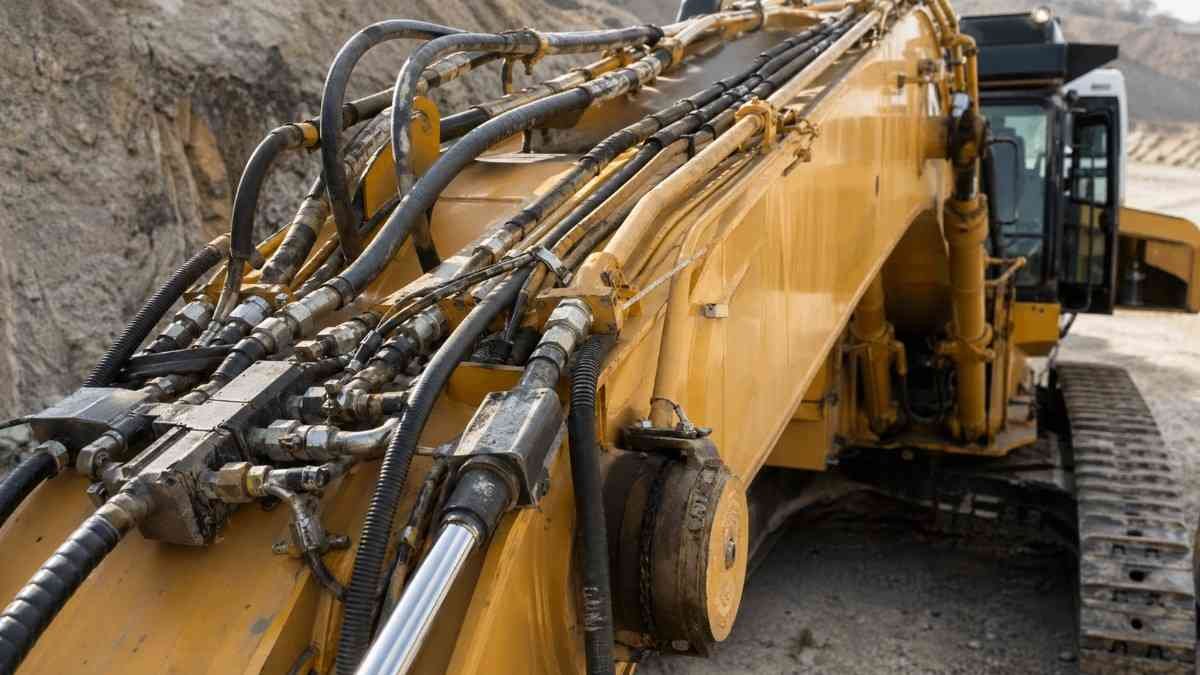
Heavy machinery relies on hydraulic systems to do the literal heavy lifting. From construction excavators to manufacturing presses, these complex networks of fluid and pressure keep industrial operations moving. However, when a hydraulic system fails, it halts production entirely and racks up massive repair bills.
Key Components and Common Issues in Hydraulic Systems
Understanding the anatomy of your equipment is the first step in maintaining it. Hydraulic systems rely on a few main parts: pumps to generate flow, valves to control direction and pressure, cylinders to create mechanical force, and hoses to transport the fluid.
When these components degrade, three main failures typically occur:
- Leaks: Fluid escaping the system reduces pressure and creates environmental hazards.
- Contamination: Dirt, water, or metal shavings entering the fluid can destroy internal parts.
- Overheating: Excessive friction or poor fluid condition causes temperatures to spike, degrading the fluid further.
Even a minor component failure can severely impact system performance. A small leak might slow down cycle times, while severe contamination can destroy a pump in a matter of hours.
Core Preventive Maintenance Strategies
A successful maintenance routine covers several distinct areas. By addressing each of the following categories, you can keep your system operating at peak efficiency.
Fluid Analysis and Management
Hydraulic fluid is the lifeblood of the system. It transmits power, lubricates moving parts, and dissipates heat. Regular testing helps identify contamination or chemical breakdown before it causes physical damage. Implementing proper filtration systems and adhering strictly to fluid replacement schedules keeps the system clean and functional.
Visual Inspections and Leak Detection
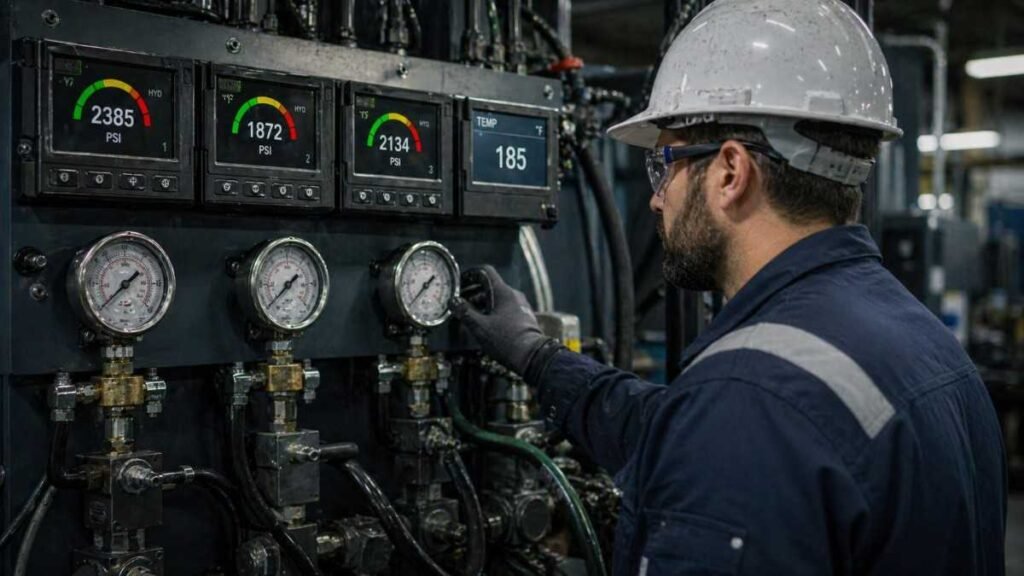
Operators should perform visual checks daily and weekly. Look for wet spots on hoses, dripping fittings, or puddles under the machinery. Identifying and addressing leaks promptly prevents fluid loss and protects the environment. Pay special attention to seals and fittings, as these are common starting points for minor leaks that quickly grow worse.
Temperature Monitoring and Control
Every hydraulic system has an ideal operating temperature range, usually between 110°F and 130°F depending on the fluid type. Overheating thins the oil, reducing its ability to lubricate and causing accelerated wear. Check the cooling system regularly. Ensure heat exchangers are clean and fans are operating correctly to prevent the system from cooking itself.
Pressure Monitoring and Adjustment
Running a system at pressures higher than necessary wastes energy and strains components. Monitor system pressure using accurate gauges. Calibrate and maintain pressure relief valves periodically to ensure they open at the correct set points, protecting the system from dangerous pressure spikes.
Component Wear Analysis
Moving parts eventually wear out. Tracking the wear on pumps, motors, and cylinders allows you to replace them before a catastrophic failure occurs. Implement predictive maintenance techniques to monitor performance metrics. If internal scoring or seal degradation is found in a key actuator, scheduling a reliable hydraulic cylinder repair service early can save the entire unit from being scrapped.
Implementing a Preventive Maintenance Program
Knowing what to do is only half the battle. You must organize these tasks into a sustainable program. Start by creating a detailed maintenance schedule based on the manufacturer’s recommendations and your specific operating conditions.
Next, train your personnel. Operators should know how to spot early warning signs of failure and understand the importance of keeping the equipment clean. Finally, utilize modern technology. A Computerized Maintenance Management System (CMMS) can automatically generate work orders, track spare parts, and remind technicians when specific tasks are due.
Advanced Predictive Maintenance Techniques
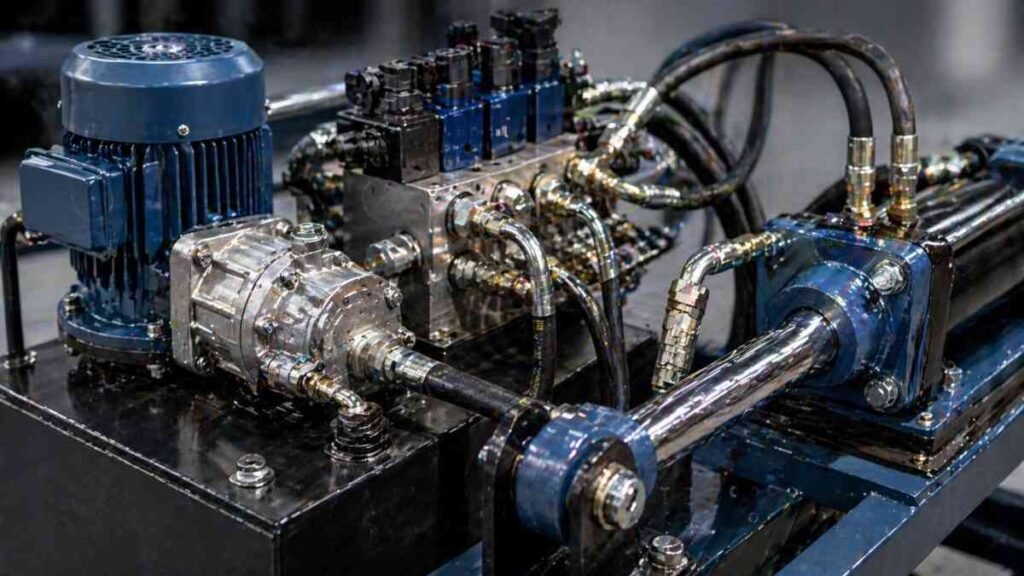
For critical systems like high end recreational gear, routine checks might not be enough. Advanced predictive tools can identify invisible problems.
- Vibration analysis: Detects imbalance or bearing wear in pumps and motors long before they become noisy.
- Thermography: Infrared cameras can quickly spot overheating components, such as a clogged valve or a failing bearing.
- Ultrasonic testing: High-frequency listening devices can detect internal bypassing in valves and cylinders or pinpoint microscopic leaks in pressurized lines.
The Payoff of Proactive Maintenance
Committing to a robust maintenance program yields significant rewards. First and foremost, it extends the equipment lifespan, delaying the need for expensive capital replacements. It drastically reduces unplanned downtime and lowers overall operating costs.
Furthermore, well-maintained equipment is safer for operators and more reliable for meeting production targets. When a hydraulic system runs at its designated specifications, it consumes less energy and produces less waste, leading to enhanced operational efficiency across the board.
Conclusion
A strong preventive maintenance strategy relies on consistency. Monitoring fluid health, conducting daily visual inspections, managing temperatures, and tracking component wear can protect your machinery investments.