
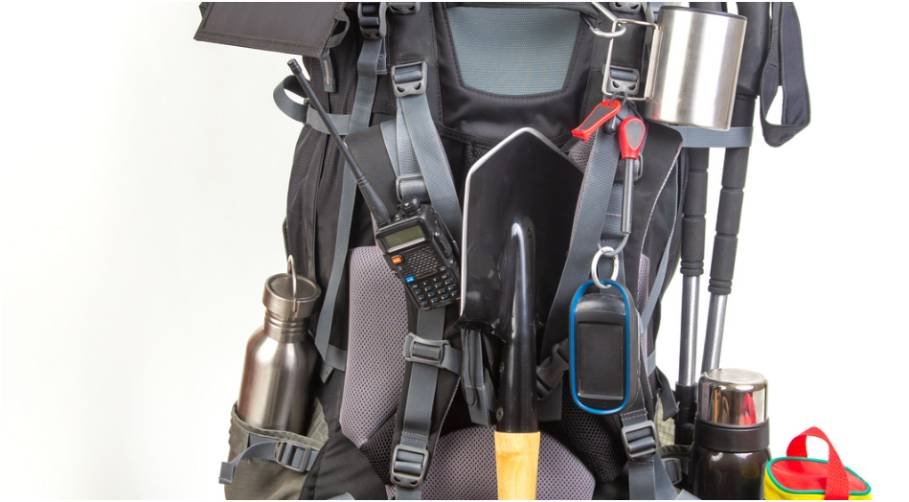
High-end recreational gear transforms an average weekend outdoors into an unforgettable experience. Premium mountain bikes, professional-grade skis, and ultralight camping setups simply perform better. They give you a smoother ride, keep you warmer in freezing conditions, and help you push your physical limits safely.
But that elite performance comes with a strict requirement. You have to put in the work to maintain your equipment.
Ignoring routine care often leads to rusted drivetrains, delaminated snowboards, and degraded waterproof fabrics. Replacing these items is expensive and entirely avoidable. By adopting a proactive approach to equipment care, you can protect your investment for years to come. Here are five essential maintenance secrets to help you keep your premium outdoor gear in flawless condition.
Clean Your Equipment Immediately After Use
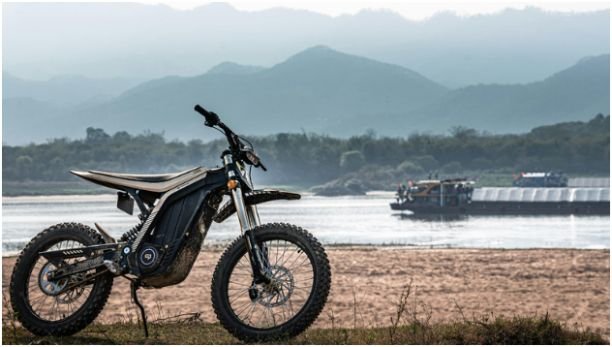
Dirt, mud, and road salt act like sandpaper on moving parts and sensitive fabrics. Many outdoor enthusiasts make the mistake of tossing their dirty gear into the garage after a long, exhausting trip. Leaving dirt to harden speeds up the degradation of your equipment.
Make it a habit to clean your gear as soon as you return home. For mountain bikes, use a low-pressure hose to rinse away mud, followed by a soft brush and bike-specific wash to clean the frame and drivetrain. For technical apparel like Gore-Tex jackets, follow the manufacturer’s washing instructions closely.
Dirt and body oils clog the microscopic pores of waterproof membranes, stripping away their breathability. Washing them with specialized technical detergents restores their ability to repel water and vent sweat.
Master the Art of Moisture Management
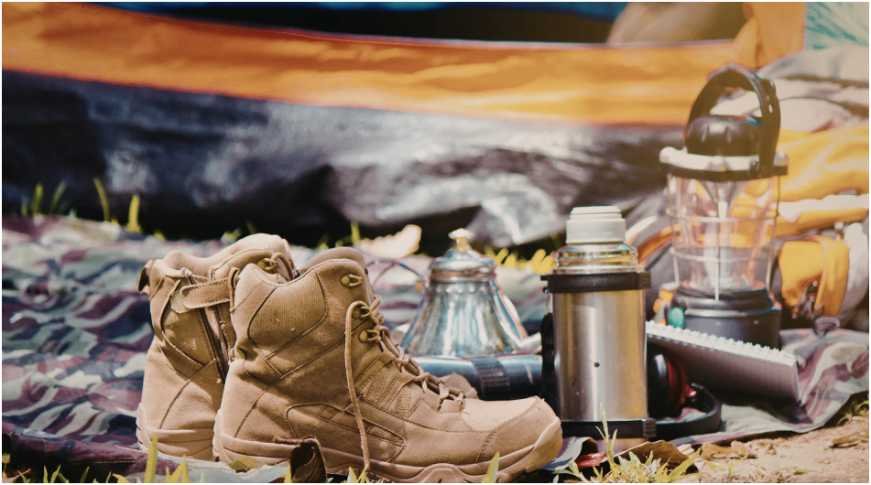
Moisture is the silent killer of recreational gear. Packing a tent away while it is still damp will almost certainly result in a mold and mildew infestation. Once mildew sets into nylon or polyester, it weakens the fabric and leaves behind a permanent, unpleasant odor.
Similarly, leaving moisture on metal components like ski edges or bike chains invites rust. Always dry your equipment thoroughly before storing it. Set up your tent in the backyard or hang it in a well-ventilated room until every inch is completely dry.
Wipe down your ski and snowboard edges with a microfiber towel immediately after your final run of the day. A few extra minutes of drying time will save you hours of scrubbing away rust or mildew later.
Optimize Your Off-Season Storage Environment
Where you store your gear is just as important as how you prepare it for storage. Extreme temperatures and high humidity wreak havoc on expensive materials. Storing carbon fiber bikes, polyurethane kayak hulls, and rubber ski boots in an uninsulated shed exposes them to blistering summer heat and freezing winter drops. Over time, these temperature swings cause materials to turn brittle, warp, or crack.
You need a stable environment to preserve the structural integrity of your equipment. Keeping your gear indoors is ideal, but space is often limited. Renting a specialized unit is a great alternative. For instance, using climate-controlled storage in West Jordan, UT, provides a stable, temperature-regulated space to protect your expensive mountain bikes and camping setups during the harsh winter months. A stable climate prevents adhesives from failing and keeps rubber components supple until your next adventure.
Apply Precision Lubrication
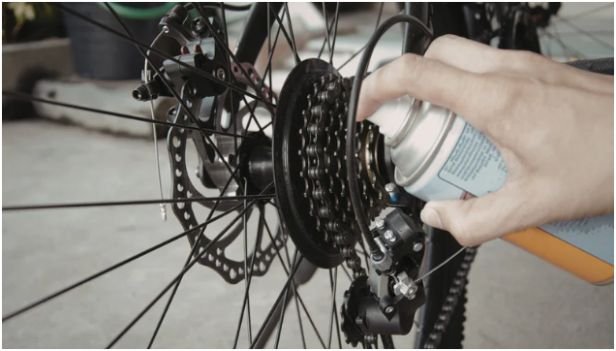
Friction wears down mechanical components faster than almost anything else. High-end gear often features intricate moving parts that require specific types of lubrication to function smoothly. Applying the wrong lubricant—or failing to apply any at all—can destroy expensive components.
Bicycle chains require different lubricants depending on the riding conditions. Use a dry lube for dusty, arid environments so dirt does not stick to the drivetrain. Switch to a wet lube for rainy or muddy trails to prevent water from washing the lubricant away. Beyond bikes, keep the zippers on your premium tents and sleeping bags running smoothly by applying a silicone-based zipper lubricant. This prevents the teeth from catching and tearing the surrounding fabric.
Fix Minor Damage Before It Spreads
Small problems turn into major failures when left unattended. A tiny pinhole in a sleeping pad can ruin a week-long backpacking trip, and a minor scratch on a carbon fiber frame can compromise its structural integrity.
Inspect your equipment thoroughly after every outing. Look for fraying seams on backpacks, loose screws on snowboard bindings, and micro-cracks in kayak paddles. Repair small tears in waterproof fabrics immediately using specialized seam sealers or tenacious tape. Tighten all bolts to the manufacturer’s recommended torque specifications. Catching these minor issues early prevents them from escalating into catastrophic failures while you are miles away from civilization.
Keep Your Adventure Gear Ready for Action
Taking care of high-end recreational equipment requires dedication, but the payoff is immense. Routine cleaning, moisture management, careful lubrication, and immediate repairs will dramatically extend the lifespan of your favorite outdoor tools. Furthermore, securing a safe, temperature-regulated storage space ensures your items remain pristine during the off-season or during an unforgettable road trip on your vehicle.
Build a post-adventure maintenance routine and stick to it. The next time the mountains call, your gear will be fully primed and ready to perform at its peak.