
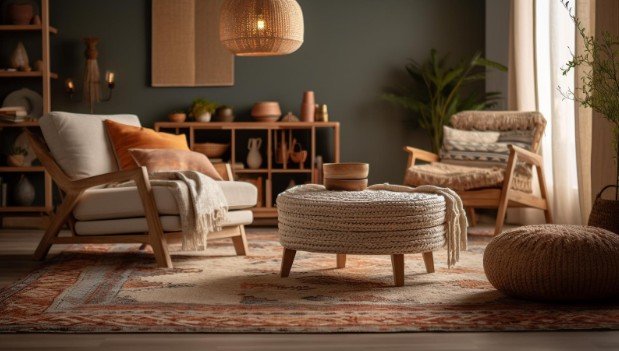
Hygge (pronounced hoo-ga) is more than just a style; it is a way of life deeply rooted in Danish culture. At its heart, hygge focuses on creating warmth, comfort, and well-being through the embrace of simplicity, nature, and thoughtful design. Unlike other design trends that might prioritize aesthetics over comfort, hygge interiors aim to create an environment that fosters relaxation, mindfulness, and peace.
When you incorporate hygge interior design into your home, you’re not simply decorating a space; you’re curating a sanctuary that nurtures your spirit and promotes a sense of calm.
What is Hygge Interior Design?
At its core, hygge interior design is about creating a warm, inviting environment that feels peaceful and comforting. The word “hygge” is difficult to translate directly but is often described as a feeling of coziness and contentment. It’s about surrounding yourself with the things that make you feel safe, happy, and comfortable.
The key elements of hygge include:
- Soft lighting (think candles or soft lamps)
- Natural materials like wood, wool, and linen
- Comfortable, lived-in spaces with layers of textures and colors
- A connection to nature through plants or earthy tones
By incorporating these elements, you can turn any room into a peaceful sanctuary.
Key Elements of Hygge Interior Design

Now that we’ve defined hygge, let’s break down the main components of a hygge home that you can integrate into your space.
1. Lighting: Set the Mood with Soft, Warm Lights
One of the easiest ways to create a hygge-inspired atmosphere is by using soft lighting. Traditional overhead lights can feel harsh and uninviting, so consider replacing them with lamps or string lights for a more relaxed vibe. In Denmark, candlelight is essential to the hygge concept, as it adds warmth and intimacy to the environment.
How to add hygge lighting:
- Use candles in glass holders or decorative lanterns.
- Add fairy lights or soft dimmable table lamps for a warm glow.
- Consider smart bulbs that allow you to adjust the light temperature and brightness.
The goal is to create a soft, inviting glow that enhances the cozy atmosphere.
2. Natural Materials: Bring Nature Indoors
Hygge interiors rely heavily on natural materials that evoke warmth and comfort. Wood, linen, wool, and stone are staples of this design style. These elements create a connection to nature, helping to create a calming and grounded environment.
How to incorporate natural materials:
- Add wooden furniture or wooden frames to create a rustic feel.
- Use linen curtains or wool blankets for soft textures.
- Opt for stone or clay decorative ideas to bring an earthy vibe.
Natural materials help to make the space feel organic, fresh, and inviting.
3. Textures and Layers: Make Your Space Feel Cozy
Hygge is all about comfort, so don’t shy away from layers of texture. Soft throws, pillows, and cozy rugs make the space feel welcoming and relaxed. The more layers of softness you can add, the better.
How to add texture:
- Layer throws and pillows on your couch or bed for comfort.
- Use a plush rug underfoot to create warmth.
- Incorporate knitted blankets or faux fur for a luxurious feel.
These layers make the space feel more inviting and cozy, perfect for snuggling up on a cold evening.
4. Neutral and Earthy Tones: Use Soothing Colors
The color palette in a hygge home should be warm, earthy, and neutral. Shades of beige, gray, white, and earthy tones like olive green and terracotta help to create a calming atmosphere. These colors encourage relaxation and make the space feel both comfortable and sophisticated.
How to choose colors for a hygge home:
- Stick to neutral tones for the walls and larger furniture.
- Use earthy hues in accents like throw pillows, vases, and rugs.
- Incorporate wood tones to bring in natural warmth.
These colors provide a serene backdrop, allowing other hygge elements to shine.
5. Cozy Furniture: Comfort Comes First
Comfort is key in any hygge space. Whether you’re lounging on the couch with a good book or enjoying a cup of tea by the window, cozy furniture is essential for creating a hygge environment. Look for pieces that prioritize comfort over formality.
How to choose cozy furniture:
- Opt for a plush sofa or armchair with soft cushions.
- Include oversized chairs or bean bags for extra seating.
- Add footrests or ottomans to encourage relaxation.
Your furniture should make you feel like you can settle in and unwind.
How to Add Plants for a Hygge Touch

Plants are another essential part of hygge design. They bring a touch of nature indoors and contribute to the calm, serene atmosphere that hygge promotes. Whether it’s a simple potted plant or a lush indoor garden, greenery makes the space feel fresh and alive.
How to add plants:
- Choose easy-care plants like succulents or ferns.
- Use ceramic planters or wooden plant stands to complement your natural decor.
- Place plants on windowsills, bookshelves, or side tables for an organic touch.
Adding plants helps enhance the zen-like atmosphere of a hygge home.
Frequently Asked Questions
1. What are the key features of a hygge home?
A hygge home is characterized by warm lighting, natural materials, comfortable furniture, soothing colors, and a focus on creating a peaceful, cozy atmosphere.
2. How can I make my home feel more hygge?
To make your home feel more hygge, focus on adding soft lighting, natural materials like wood and wool, and cozy furniture. Incorporate neutral tones and layers of texture to create a relaxing, inviting space.
3. Can I create a hygge home on a budget?
Yes! You don’t need to spend a lot to create a hygge-inspired home. Focus on simple changes like adding candles, using affordable natural materials, and layering textures with throw pillows and blankets.
4. What is the role of lighting in hygge interiors?
Lighting is crucial in hygge interiors. Soft, warm lighting creates a cozy, inviting atmosphere, and candles or dimmable lights add an intimate, peaceful touch to your space.
Conclusion
Designing a hygge home is about more than just decorating, it’s about creating an environment where you can relax, unwind, and connect with your surroundings. By incorporating soft lighting, natural materials, cozy furniture, and soothing colors, you can create a space that feels warm, peaceful, and welcoming.
If you plan for redesigning your entire home or just adding a few hygge touches, you can bring this comforting style to any space. Start with small changes, and before you know it, your home will be the perfect retreat for rest, relaxation, and well-being.