
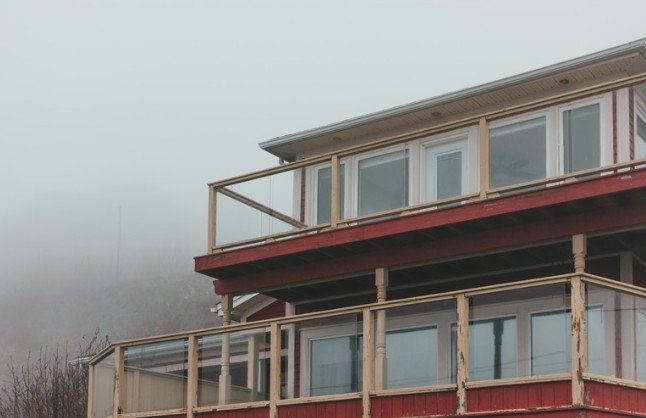
Waking up to a beautiful morning only to find your view obscured by a hazy, milky film on your windows is a common frustration for many homeowners. This phenomenon, often described as foggy windows, is more than just an aesthetic issue. It is a clear signal that the window system is failing to perform its primary function of insulation. Understanding why this happens and how to address it is essential for maintaining a comfortable, energy-efficient home.
The Anatomy of an Insulated Glass Unit
To understand fogging, one must first understand how modern windows are constructed. Most homes today utilize double-pane or triple-pane windows, technically known as insulated glass units or IGUs. These units consist of two or more sheets of glass separated by a spacer bar. The gap between the panes is hermetically sealed and usually filled with an inert gas like argon or krypton.
This gas is denser than air and works to slow down the transfer of heat. To keep the internal environment dry, the spacer bar contains a desiccant, which is a moisture-absorbing material. As long as the perimeter seal remains intact, the window provides an effective thermal barrier with the protective glass to keep your home safer and keeps your home warm in the winter and cool in the summer.
Why Windows Become Foggy

Fogging occurs when the perimeter seal of the IGU fails. This is often referred to as a “blown seal.” Once the seal is compromised, the specialized insulating gas escapes, and outside air, which carries varying levels of humidity, begins to enter the space between the panes.
Initially, the desiccant inside the spacer bar absorbs this incoming moisture. However, the desiccant has a limited capacity. Once it becomes saturated, the moisture has nowhere to go and begins to condense on the internal surfaces of the glass. This leads to the characteristic condensation, streaks, or “calcium deposits” that make the window look dirty even after you have scrubbed both the inside and outside surfaces.
Factors Contributing to Seal Failure
Several environmental and physical factors can accelerate the breakdown of a window seal:
- Solar Pumping: Throughout the day, the sun heats the air between the panes, causing the unit to expand. At night, the unit cools and contracts. This constant “breathing” puts immense pressure on the seal, eventually causing it to develop tiny fractures.
- Water Pooling: If a window frame does not drain properly, water can sit against the seal for extended periods. This constant moisture can rot or weaken the adhesive used to hold the IGU together.
- Age and Wear: Over time, all materials degrade. The average lifespan of a high-quality window seal is often between fifteen and twenty-five years, depending on the exposure to harsh weather.
- Poor Installation: If a window is not fitted correctly within the sash, it may experience uneven pressure that forces the seal to pop prematurely.
Solutions for Restoring Your View
When dealing with foggy glass, homeowners generally have three paths forward. The first, and least effective, is defogging. This involves drilling small holes in the glass to vent the moisture and spraying a cleaning solution inside. While this may clear the view temporarily, it does not restore the insulating gas or fix the broken seal, meaning the window remains thermally inefficient.
The second and most common professional solution is moisture-damaged pane replacement. In many cases, the entire window frame does not need to be replaced. A technician can remove the failing IGU and install a brand-new, factory-sealed unit into the existing frame.
This is a cost-effective way to restore both the clarity and the energy efficiency of the opening. When looking for long-term reliability for residential glass in Kaysville Utah, choosing high-quality replacement units ensures the new seals are built to withstand the local temperature swings.
The third option is full window replacement. This is usually reserved for situations where the frames themselves are rotting, warped, or out of style. While more expensive, it allows for a total upgrade to modern energy standards.
Preventing Future Fogging

While you cannot stop the passage of time, you can extend the life of your seals through proper maintenance. Ensure that the “weep holes” in your window frames are clear of debris so that water can drain away from the glass. Avoid using high-pressure power washers near windows, as the force can drive water past the gaskets and into the seal area.
Finally, inspect the caulking around your window frames annually for more attractive home exterior and replace any cracked or peeling sections to keep the entire system weather-tight.
By addressing foggy windows as soon as they appear, you protect your home from energy loss and prevent the secondary problem of mold growth inside the window sash. Clear views are not just about looks; they are a sign of a healthy, well-maintained home.