
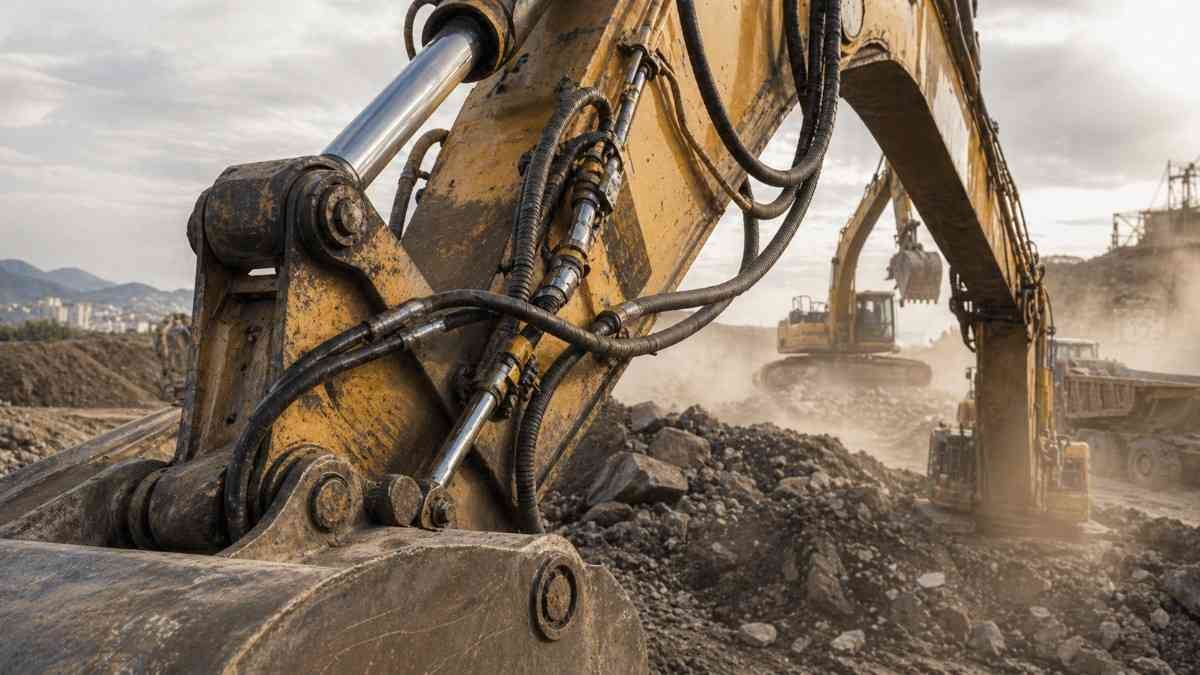
Size reduction equipment is crucial in industries like pharmaceuticals, food, mining, and chemical production for breaking down large materials. Effective machinery design balances high throughput with energy efficiency to ensure a consistent final product. While poor design results in wasted power, increased maintenance, and inconsistent outcomes, optimized equipment reduces costs and boosts yield.
Fundamental Principles of Size Reduction
Understanding how materials break apart is the first step in designing effective equipment. Different materials require different approaches, and selecting the right mechanical force is vital.
Mechanical Forces: Compression, Impact, Attrition, Cutting
Size reduction relies on four primary mechanical forces. Compression crushes materials between two hard surfaces, making it ideal for hard, brittle substances. Impact shatters materials by striking them at high speeds, commonly used in hammer mills.
Attrition involves rubbing materials against each other or a surface to grind them down, which works well for fine grinding. Finally, cutting slices through softer, fibrous materials using sharp blades. Most modern equipment uses a combination of these forces to achieve the desired particle size.
Material Properties and Their Influence on Design
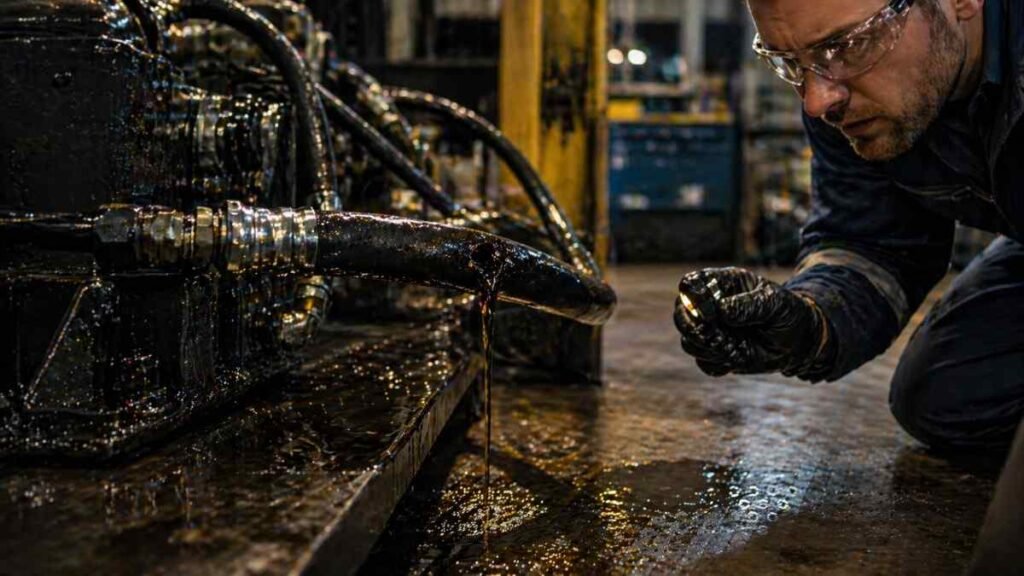
You cannot design a universal crusher. The physical properties of the feed material dictate the equipment’s geometry and operating parameters. Hardness, abrasiveness, moisture content, and heat sensitivity all play a role. For instance, heat-sensitive materials might require a cryogenic cooling system integrated into the grinding chamber to prevent melting or degradation during processing.
Energy Efficiency and Throughput Considerations
Breaking molecular bonds requires massive amounts of energy. A primary design objective is to apply maximum force directly to the material while minimizing wasted energy. Engineers optimize the power-to-throughput ratio by adjusting rotor speeds, motor sizes, and feed mechanisms to ensure a continuous, efficient flow of material.
Key Design Elements for Efficiency
The physical architecture of the equipment determines how effectively it can apply mechanical forces to the feed material.
Chamber Geometry and Its Impact on Particle Flow
The shape of the grinding chamber heavily influences particle behavior. A well-designed chamber directs material repeatedly into the path of the crushing or cutting elements. If the geometry is flawed, materials can build up in dead zones, causing clogs, uneven wear, and a drop in overall throughput.
Rotor and Stator Configurations
The interaction between the moving parts (rotor) and the stationary parts (stator) is the heart of the size reduction process. The clearance between these components must be tightly controlled. A tighter gap produces finer particles but requires more energy and generates more heat. Adjustable configurations allow operators to fine-tune the equipment for different materials and desired output sizes.
Screen and Grate Design for Product Control
Screens and grates dictate when a particle is small enough to exit the grinding chamber. If the open area of the screen is too small, material stays in the chamber too long, wasting energy and creating unwanted fines. If it is too large, oversized particles escape. Advanced designs feature easily swappable screens to accommodate varying product requirements quickly.
Advanced Design Features and Technologies
Modern manufacturing demands more than just raw mechanical power. Smart technologies and advanced materials are pushing equipment capabilities further.
Automation and Control Systems for Optimization
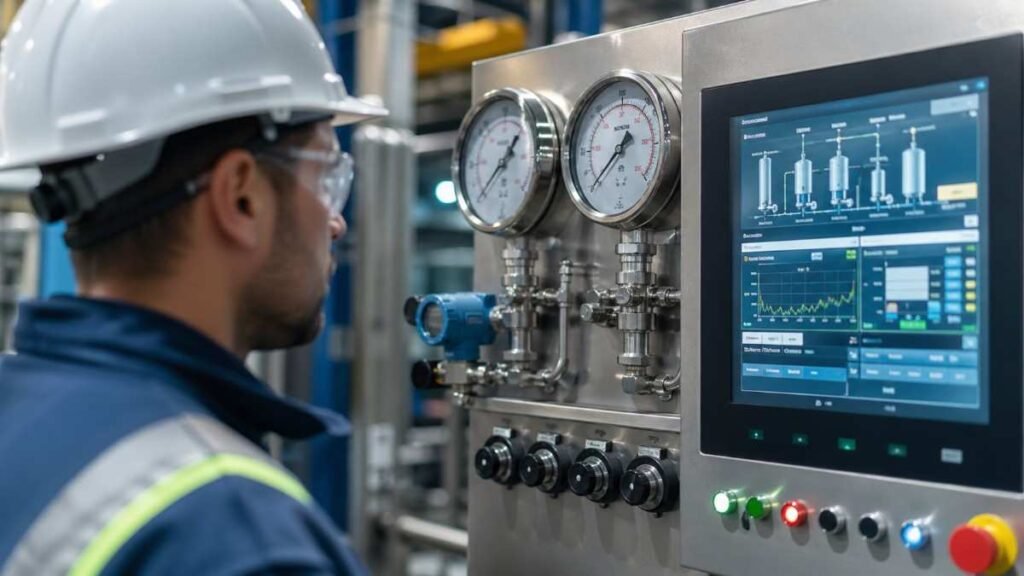
Sensors and programmable logic controllers (PLCs) monitor critical metrics like motor load, vibration, and temperature in real-time. These automated systems can adjust feed rates dynamically to prevent overloads and optimize throughput. This reduces the need for manual intervention and keeps the equipment running at peak efficiency.
Wear-Resistant Materials and Their Role in Longevity
Processing abrasive materials quickly wears down critical components. To combat this, manufacturers utilize high-chrome alloys, tungsten carbide, and hardened steel for rotors, blades, and chamber liners. While these materials increase the initial cost of the equipment, they drastically extend the lifespan of the machine and reduce downtime for repairs.
Safety Features and Compliance Standards
Industrial size reduction poses significant safety risks, including combustible dust explosions and mechanical hazards. Efficient design inherently includes robust safety features. Explosion vents, safety interlocks, and emergency stop mechanisms ensure the equipment complies with strict occupational safety and health standards.
Maintenance and Longevity
Even the most advanced equipment requires ongoing care. Designing machines with maintenance in mind is just as important as optimizing them for production.
Importance of Regular Maintenance Schedules
Equipment that is difficult to maintain will inevitably be neglected. Designers now prioritize accessibility, incorporating large access doors, pivoting hoppers, and tool-less screen removal. This encourages operators to adhere to regular maintenance schedules, preventing catastrophic failures and ensuring consistent product quality.
Component Replacement and Upgrades
Wear parts will eventually fail. Efficient design ensures that these components can be replaced quickly and safely. Modular designs allow facilities to swap out entire rotor assemblies or cutting heads in minutes rather than hours, keeping production lines moving.
Industry Applications
Putting these principles into practice yields measurable benefits across various sectors.
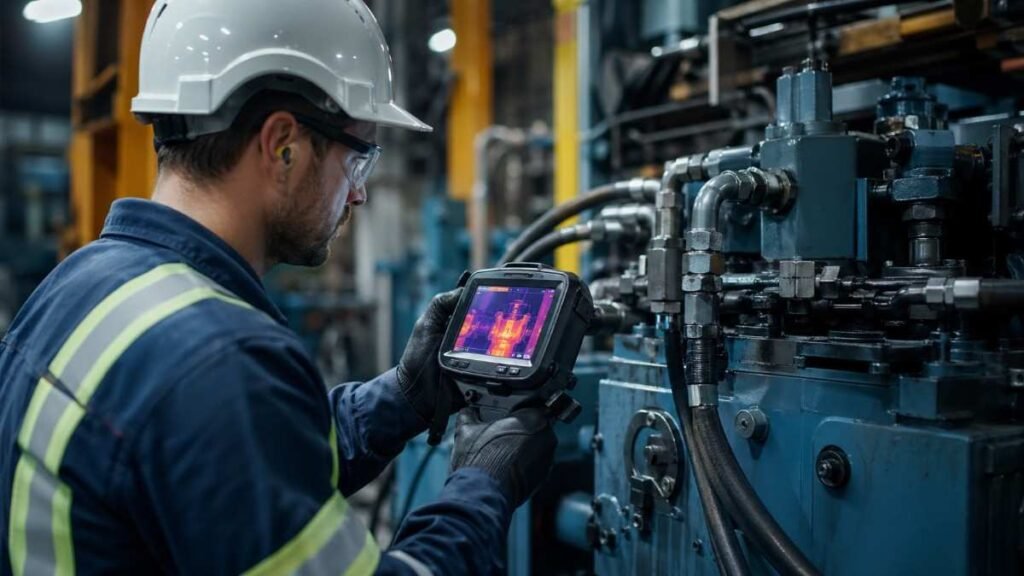
Examples of Efficient Designs in Practice
In the pharmaceutical industry, achieving a highly uniform particle size is critical for drug absorption. Manufacturers often employ sophisticated milling systems integrated with a powder particle sizer to continuously monitor and verify that the output meets strict regulatory standards.
In the plastics recycling sector, specialized granulators use angled rotor blades to slice through tough polymers with minimal energy consumption, reducing heat generation and preventing the plastic from melting.
Benefits Realized from Optimized Equipment
Companies that invest in optimized size reduction equipment see immediate returns. They experience lower electricity bills, reduced labor costs due to easier maintenance, and higher overall product yields. Furthermore, consistent particle sizing improves the efficiency of downstream processes, amplifying the benefits throughout the entire production line.
Conclusion
As industries evolve, the demand for efficient, precise, and safe size reduction equipment will increase. Future machines will likely integrate AI and machine learning for predictive maintenance. With sustainability as a key goal, engineers will also focus on improving energy efficiency. By understanding fundamental principles and using advanced designs, manufacturers can keep their processing lines competitive and productive.