
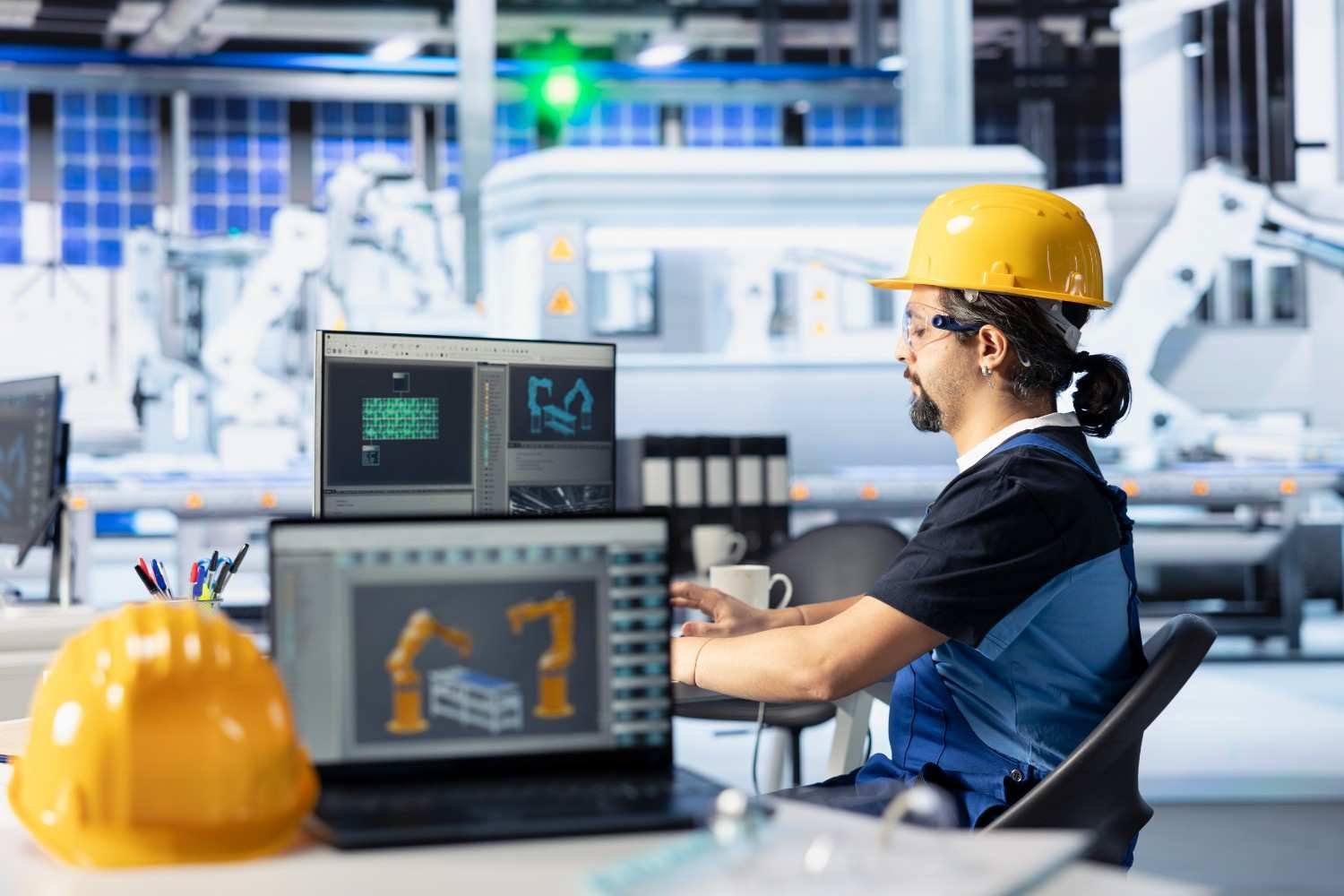
Imagine a world where machines don’t just follow commands but think, learn, and adapt in real time. Welcome to the world of mechatronics and smart systems in modern engineering—a field that’s driving the future of technology and changing the way we live and work.
From self-driving cars to smart factories, these intelligent systems are blending mechanical, electrical, and computing technologies to create machines that think for themselves, optimize processes, and even make decisions on their own.
As digital tools reshape thinking, we’re witnessing a shift toward more autonomous, efficient, and sustainable systems. In this blog, I’ll explore how mechatronics and smart systems are powering the next wave of innovation, and why understanding them is key to staying ahead in today’s fast-paced tech landscape.
What is Mechatronics?
Mechatronics is a multidisciplinary field of engineering that integrates mechanical engineering, electrical engineering, computer science, and control systems. Unlike traditional engineering practices that often treat hardware and software separately, mechatronics focuses on creating systems where these components work together seamlessly from the design phase onward. This approach ensures optimal performance, automation, and efficiency in complex systems.
Core Components of Mechatronics Systems
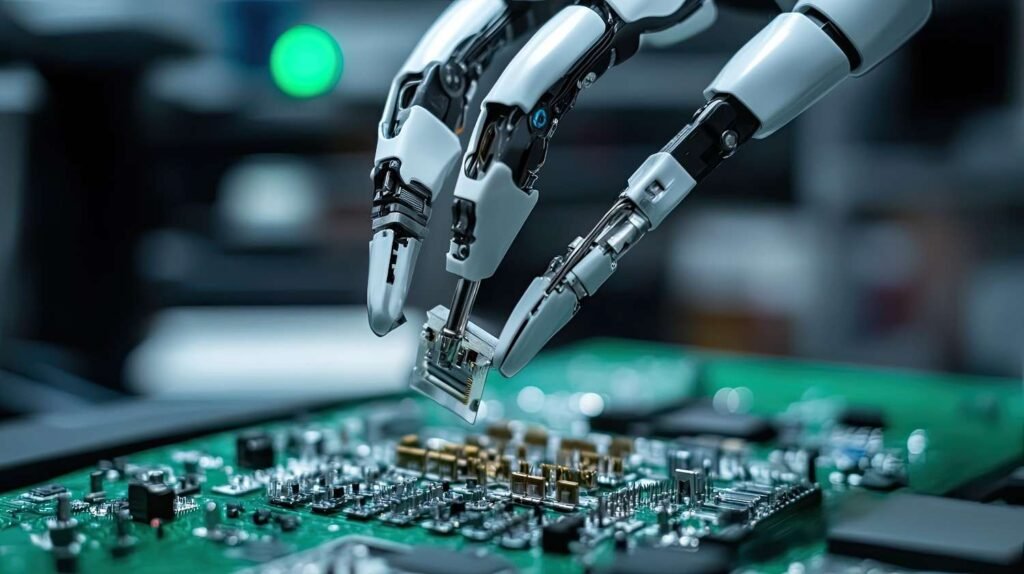
A mechatronic system typically operates through a continuous feedback loop consisting of:
-
Mechanical Backbone: The physical framework, including gears, linkages, and structures.
-
Sensors (The Nervous System): Devices that gather real-time data about the environment—such as temperature, pressure, and position.
-
Control Logic (The Brain): Microcontrollers or PLCs (Programmable Logic Controllers) that process the data and make decisions.
-
Actuators (The Muscles): Motors, solenoids, or hydraulic cylinders that convert electrical signals into physical movement.
These core components enable smart systems to operate autonomously, interact with their environment, and adapt to changing conditions.
The Role of Smart Systems in Modern Engineering
With the integration of mechatronics, smart systems have become integral to industries ranging from manufacturing to healthcare. These systems not only react to inputs but can also optimize performance over time using advanced algorithms and real-time data. Here’s how smart systems are being applied in modern engineering:
Cyber-Physical Systems (CPS)
CPS are networks of mechanical systems controlled via software and connected to the internet. They enable smart grids and Industrial IoT (Internet of Things) networks that optimize energy consumption, monitor infrastructure health, and automate processes.
Autonomous Systems
Autonomous systems, such as self-driving cars and delivery drones, are capable of sensing their environment and making decisions without human intervention. These systems are revolutionizing transportation, logistics, and even underwater exploration with technologies like autonomous underwater vehicles.
Digital Twins
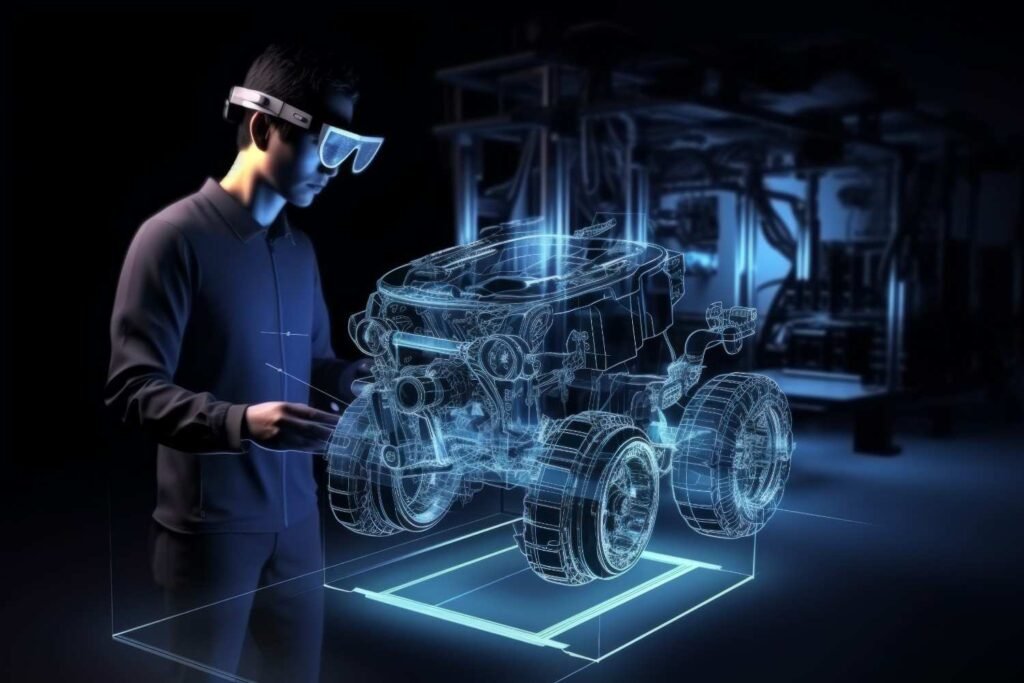
A digital twin is a virtual replica of a physical asset that can simulate its performance in real-time. This technology is used for predictive simulations in sectors like robotics, allowing engineers to test the performance of systems like robotic arms before physical deployment.
Collaborative Robots (Cobots)
Cobots are robots designed to work safely alongside humans. In smart factories, they assist with tasks like assembly and packaging, enhancing productivity without replacing human workers. These robots are becoming crucial in medical rehabilitation and assistive technologies.
Impact of Mechatronics on Key Industries
Mechatronics is transforming various sectors by improving automation, precision, and decision-making. Below are some key industries where Mechatronics and Smart Systems in Modern Engineering are having a profound impact:
Automotive Industry
Modern vehicles are essentially computers on wheels, equipped with mechatronic systems like Anti-lock Braking Systems (ABS), Electronic Stability Control (ESC), and adaptive cruise control. These systems not only improve safety but also enable innovations like self-driving cars that rely on Mechatronics and Smart Systems in Modern Engineering to navigate autonomously.
Manufacturing: The Rise of Industry 4.0
In manufacturing, mechatronics is at the heart of Industry 4.0—the digital transformation of factories. Smart factories use mechatronic systems to automate production lines, implement predictive maintenance, and ensure high-precision machining. These systems allow for real-time monitoring and data analysis, improving productivity and reducing costs.
Healthcare
From robotic surgical systems to smart prosthetics that respond to muscle signals, mechatronics is improving patient care. Wearable health devices that monitor vitals, robotic exoskeletons for rehabilitation, and telemedicine systems are just a few examples of how Mechatronics and Smart Systems are advancing healthcare.
Aerospace: The Power of Precision
In aerospace, fly-by-wire systems replace mechanical linkages with electronic control, offering better precision and reliability. Drones, both for commercial and military applications, rely heavily on mechatronics for autonomous flight and stabilization.
Future Trends in Mechatronics and Smart Systems
As we move further into the 21st century, the convergence of mechatronics with artificial intelligence (AI) and machine learning will continue to drive innovation. Here are some exciting trends shaping the future of mechatronics:
AI and Machine Learning Integration
AI and machine learning are enabling Mechatronics and Smart Systems to not just react to their environment but to learn from it. Systems can now optimize their performance over time, making decisions based on patterns and data they have gathered. This will lead to even smarter machines that can perform tasks with minimal human input.
Eco-Mechatronics: A Sustainable Future
Eco-mechatronics focuses on designing energy-efficient, sustainable automated systems to reduce environmental impact. With increasing concerns over climate change, mechatronics is adapting to create green technologies that promote sustainability across industries, from reducing carbon emissions in manufacturing to designing eco-friendly smart systems in agriculture.
The Future of Smart Systems in Smart Cities
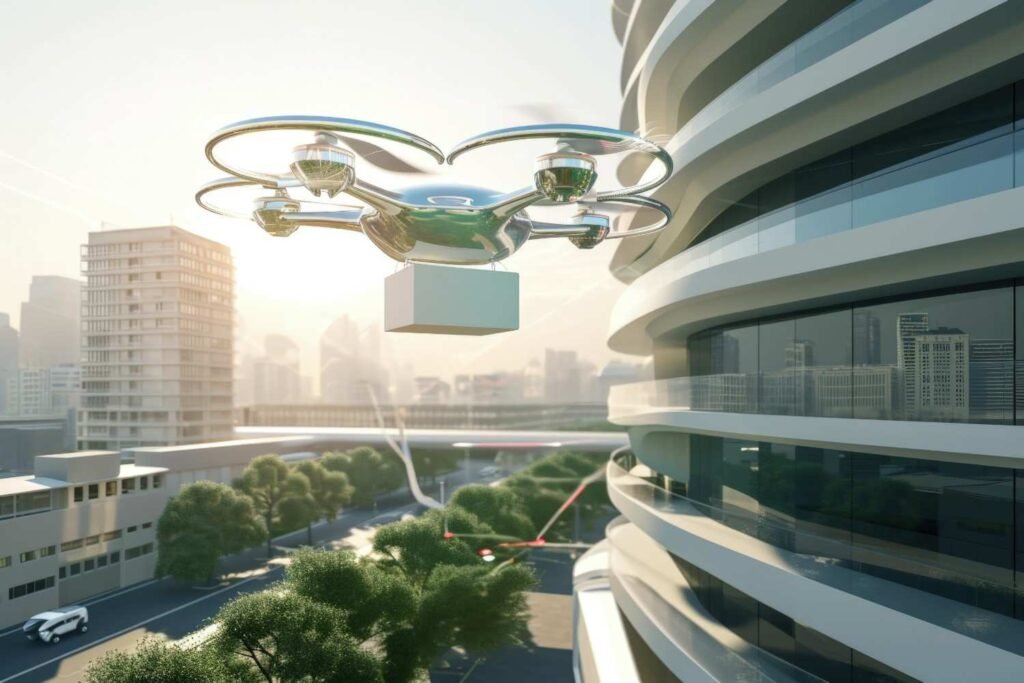
As smart cities grow, mechatronic systems will play a central role in optimizing urban infrastructure, from smart grids to intelligent transportation systems. These systems will monitor and manage resources like electricity, water, and traffic flow in real-time, creating more efficient and sustainable urban environments.
Digital tools reshape thinking in the way industries approach automation and system integration. The ability to continuously improve system performance and adapt to environmental changes is a key factor driving innovation across sectors, from healthcare to aerospace.
Frequently Asked Questions (FAQs)
1. What are some common applications of mechatronics in modern engineering?
Mechatronics and smart systems in modern engineering are used in robotics, smart manufacturing, autonomous systems, digital twins, collaborative robots, and even healthcare technologies like robotic surgery.
2. How does mechatronics impact the automotive industry?
In the automotive industry, Mechatronics and Smart Systems are responsible for autonomous vehicles, safety systems like ABS and ESC, and advanced technologies like adaptive cruise control and autopilot systems.
3. What industries benefit from mechatronics and smart systems?
Industries like automotive, manufacturing (Industry 4.0), healthcare, aerospace, and smart cities are greatly benefiting from the integration of Mechatronics and Smart Systems in Modern Engineering.
4. How is AI influencing mechatronics?
AI is enabling mechatronic systems to learn from their environment and optimize their performance, leading to autonomous and self-optimizing systems in industries like manufacturing, transportation, and healthcare.
Conclusion
Mechatronics and smart systems in modern engineering are revolutionizing industries, from the development of autonomous vehicles to the creation of smart factories. As AI, machine learning, and eco-mechatronics continue to shape the future, these technologies will drive innovation in industries worldwide. The role of mechatronics in the digital transformation of industries cannot be overstated, and the future holds even greater possibilities for smarter, more sustainable systems.
By understanding the core principles of Mechatronics and Smart Systems, professionals and engineers can better navigate the evolving landscape of modern technology and prepare for the innovations that lie ahead.