

Construction disputes rarely announce themselves early. By the time a contractor stops showing up, a payment gets withheld, or a defect becomes impossible to ignore, the situation has usually been developing for weeks or months. Knowing where the law stands — and when to get help — changes how those situations resolve.
What Construction Law Actually Covers
Construction law isn’t a single statute or rule. It’s a body of legal principles drawn from contract law, property law, tort law, and regulatory compliance that applies specifically to the relationships and transactions involved in building projects. That includes owner-contractor agreements, subcontractor arrangements, material supplier contracts, design professional liability, and the mechanics liens that secure payment rights when those relationships break down.
For anyone involved in a construction project — as an owner, a contractor, a subcontractor, or a developer — understanding that this body of law exists and applies to their situation is the starting point. Most disputes that escalate into litigation started as contract or communication problems that qualified guidance could have addressed much earlier.
The Role of the Contract in Every Dispute
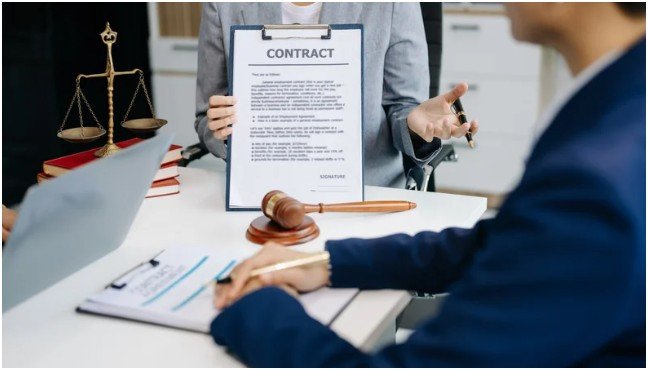
Every construction dispute eventually comes back to the contract. What was agreed to, what was excluded, how change orders were handled, what the payment schedule required, and what the dispute resolution clause specified — these are the questions that determine how a dispute unfolds and what remedies are available.
Contracts that were drafted carelessly, signed without review, or modified informally through email and verbal agreements create ambiguity that benefits whoever has more resources to litigate. A well-drafted contract doesn’t prevent disputes from arising, but it determines how quickly and cleanly they resolve when they do.
Mechanics Liens and Payment Disputes
Payment disputes are the most common source of construction litigation, and mechanics lien statutes give contractors, subcontractors, and material suppliers a powerful tool for securing what they’re owed. A mechanics lien attaches to the property itself, giving the unpaid party a security interest that must be resolved before the property can be sold or refinanced.
The process has strict procedural requirements — preliminary notice deadlines, lien filing windows, and foreclosure timelines that vary depending on where a party sits in the contracting chain. Missing those deadlines forfeits lien rights entirely, which is one of the more common and costly mistakes made by contractors who handle payment disputes without qualified guidance. Understanding those timelines before a payment problem develops — not after — is where professional involvement pays for itself most clearly.
Construction Defect Claims and What They Require
Construction defect claims involve a different set of legal standards than payment disputes. Establishing that a defect exists, that it resulted from a breach of the applicable standard of care, and that it caused quantifiable damage requires documentation, expert testimony, and a clear chain of causation that connects the work performed to the harm that resulted.
State law in many jurisdictions includes specific pre-litigation notice requirements for construction defect claims that must be followed before a lawsuit can be filed. Those requirements give the responsible party an opportunity to inspect and respond before the dispute enters the court system — and failing to follow them can jeopardize an otherwise valid claim.
When Legal Counsel Becomes Necessary

Most construction participants wait too long to seek help. The situations that most clearly call for early involvement include contract review before signing, payment disputes where informal resolution has stalled, project shutdowns where multiple parties have competing claims, and any situation where a notice of lien or demand letter has been received.
Engaging a construction law attorney in Utah is particularly valuable when the dispute involves parties at multiple levels of the contracting chain — owners, general contractors, subcontractors, and suppliers whose rights and obligations overlap in ways that aren’t always intuitive. Someone who works regularly in construction matters understands how those relationships interact under local law and can identify leverage points and risks that aren’t visible from inside the dispute.
Dispute Resolution Options Beyond Litigation
Not every construction dispute needs to go to court. Mediation, arbitration, and structured negotiation are all available as alternatives, and many construction contracts require them as a first step before litigation is permitted. Each has trade-offs in terms of cost, timeline, and the degree of control the parties retain over the outcome.
Arbitration produces a binding decision but limits the discovery process and appellate options available in court. Mediation is non-binding but gives both parties control over the outcome and typically resolves faster. Understanding which path a contract requires — and which path serves the client’s interests given the specific facts — is part of what experienced counsel brings to a dispute before it escalates.
Protecting Yourself Before the Project Starts

The most effective legal work in construction happens before a dispute arises. Contract review, risk allocation language, insurance and bonding requirements, and clearly defined change order procedures all reduce the likelihood that a project ends in litigation — and they reduce the cost and complexity of resolving disputes when they do occur.
Owners and contractors who treat legal review as a standard part of project startup rather than a response to crisis spend less overall and retain more of what they’re owed when relationships break down.
Conclusion
Construction projects involve significant money, civil engineering project planning, complex relationships, and legal obligations that most participants don’t fully understand until something goes wrong. Getting ahead of those obligations — with the right guidance at the right stage of a project — is what separates outcomes that protect your interests from ones that don’t.