
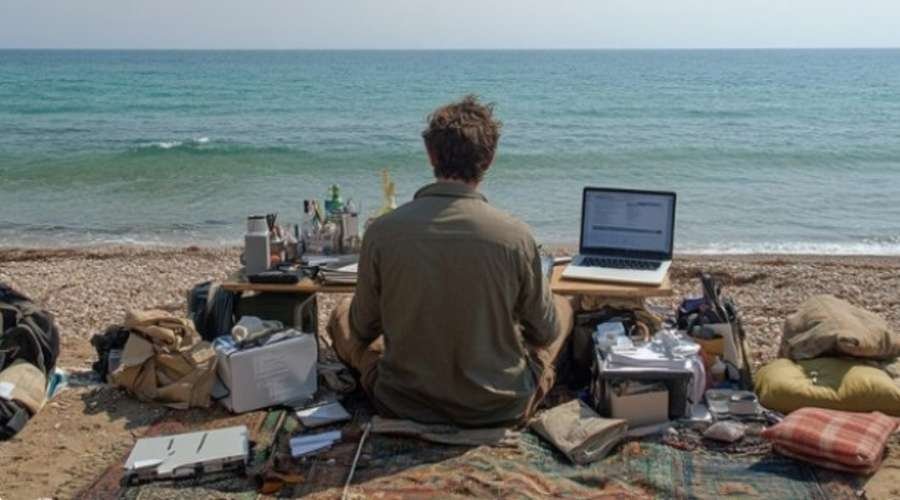
Remote freedom was mostly about booking a flight, packing a laptop, and finding a pretty place to work. What I learned very quickly is that the lifestyle only feels exciting when the basics are solid. A good Digital nomad lifestyle guide should help you build something stable, flexible, and realistic rather than selling a fantasy that falls apart after a month.
The people who enjoy this lifestyle the longest usually do not treat it like an endless vacation. They create systems for work, money, housing, health, and routine before they chase scenery. That is what makes the experience feel sustainable instead of chaotic. If you want a version of remote life that actually works, you need structure as much as freedom.
What does digital nomad life really look like day to day?
Digital nomad life usually looks less glamorous and more practical than social media makes it seem. Most days revolve around work blocks, video calls, Wi-Fi checks, meals, errands, and managing time zones. The lifestyle can absolutely feel exciting, but the best part is often the control you gain over how you live and work.
That control comes with responsibility. You need to think ahead about internet reliability, quiet workspaces, backup payment methods, insurance, and how you will stay productive when your environment keeps changing. Freedom feels real when your systems are strong enough to support it.
Why does a Digital nomad lifestyle guide matter before you start?

A lot of people jump in too fast and discover that mobility magnifies every weak spot in their routine. If your income is unstable, your schedule is messy, or your spending is unpredictable, travel makes those problems louder. A strong plan helps you avoid turning a dream into an expensive learning experience.
That is why preparation matters more than motivation. Before you change your lifestyle, it helps to know how you will earn, where you will work, how long you will stay in one place, and what you will do when plans change. The goal is not perfection. The goal is having a repeatable setup you can trust.
How do you earn enough to make the lifestyle sustainable?
The most reliable path is to build income first and travel second. Remote jobs, freelancing, consulting, teaching online, design work, development, writing, marketing, virtual assistance, and e-commerce can all support the lifestyle. What matters most is not the trendiest job. It is whether your income is steady, portable, and realistic for your skills.
How should you plan your budget without ruining the experience?

A smart budget starts with separating fixed work costs from travel costs. Your software, subscriptions, insurance, savings goals, debt payments, and tax obligations still exist no matter where you are. Once you know that baseline number, you can make better decisions about flights, housing, coworking, transportation, and food.
The easiest mistake is overspending early because everything feels new. Slow travel usually works better than constant movement because fewer travel days mean fewer surprise costs. Longer stays often save money on accommodation, reduce stress, and make it easier to build a routine that protects both your wallet and your energy.
What kind of routine keeps you productive while traveling?
You do not need a rigid schedule, but you do need anchors. A strong morning setup, dedicated work hours, clear cutoff times, and a backup plan for bad internet can keep your days from unraveling. Many remote workers do better when they choose a few non-negotiables they can repeat anywhere.
That might mean starting work at the same hour each day, choosing housing with a real desk, or blocking deep work before sightseeing. The point is not to make travel boring. It is to protect the part of your day that keeps your income and peace of mind intact.
How do you choose places that actually fit remote work?

A place can look amazing online and still be a terrible match for remote life. You need more than scenery. Good destinations usually offer stable internet, walkability, safe neighborhoods, affordable short-term housing rentals, accessible groceries, comfortable cafés or coworking spaces, and a manageable time zone for your work.
It also helps to think about your personality. Some people thrive in fast-moving cities with networking opportunities. Others do better in calmer places where they can focus. Choosing the right base is less about following popular lists and more about matching a destination to the way you actually live and work.
How can you start without making a huge risky leap?
The safest way to begin is to test the lifestyle in phases. Keep your current income steady, try a shorter trip, work remotely from one place for a few weeks, and pay close attention to your energy, focus, and spending. That trial period tells you much more than videos or social posts ever will.
Once you know what worked and what felt difficult, adjust before scaling up. Maybe you need fewer location changes, stronger boundaries, better savings, or more client stability. Starting small gives you room to learn without putting unnecessary pressure on yourself.
Frequently Asked Questions
1. Is digital nomad life expensive?
It can be, but it does not have to be. Costs depend on your housing choices, travel pace, income stability, and how often you move. Slower travel and better planning usually reduce expenses.
2. Do I need a remote job before I start?
Yes, that is the smartest move. Stable income makes every other part of the lifestyle easier, including housing, budgeting, scheduling, and handling unexpected problems on the road.
3. Is this lifestyle good for beginners?
It can be, especially if you test it in smaller stages. A short remote stay often teaches more than a dramatic full-time jump and helps you build confidence gradually.
4. What is the hardest part of digital nomad life?
For many people, it is not travel. It is staying productive, managing uncertainty, and building routines that work in changing environments. Freedom is easier to enjoy when structure is already in place.
Final Thoughts
I think the biggest shift for me was realizing that freedom works best when it is supported by planning. The lifestyle became much more enjoyable once I stopped chasing a perfect image and focused on building something steady, flexible, and honest. A useful Digital nomad lifestyle guide should leave you feeling prepared, not just inspired.
What makes this path rewarding is not constant motion. It is the ability to work well, live intentionally, and shape your days around what matters most. For me, that is what makes the lifestyle worth pursuing in the first place.