
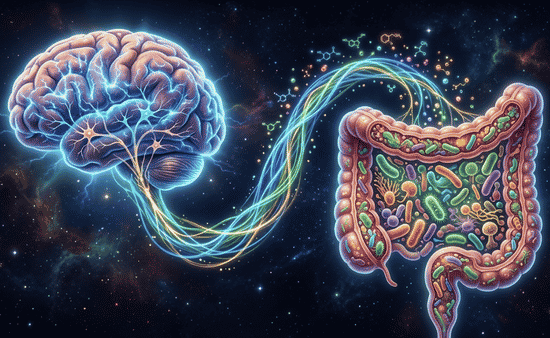
The concept of a “gut feeling” is more than a mere metaphor; it points to a profound biological reality. The digestive system and the brain are continuously connected through a sophisticated, bidirectional communication network known as the gut-brain axis.
This highway links the central nervous system to the enteric nervous system, or the “second brain,” demonstrating that the health of your digestive tract is intrinsically linked to your psychological state. Understanding this critical connection is the first step toward optimizing overall well-being.
The Communication Highway: ENS and CNS
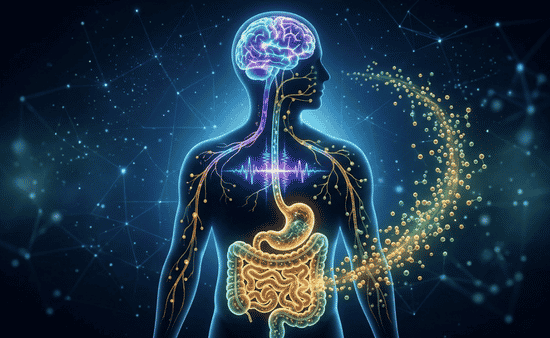
The primary channel of communication is the Vagus nerve, a long cranial nerve that acts as a direct line between the brain and the gut. Beyond this direct wiring, chemical messengers, hormones, and neurotransmitters play crucial roles.
A significant portion of the body’s serotonin, a key regulator of mood, sleep, and appetite, is produced and stored in the gut. This production highlights why imbalances in the digestive system can have far-reaching effects on emotional regulation and mental clarity.
The Role of the Microbiome
Central to the gut-brain axis is the gut microbiome, the vast community of trillions of microorganisms residing in the digestive tract. These bacteria, fungi, and viruses are not passive inhabitants; they actively influence bodily functions. They break down food compounds that the human body cannot digest, producing beneficial short-chain fatty acids (SCFAs).
These SCFAs travel through the bloodstream and can cross the blood-brain barrier, affecting brain function, reducing systemic inflammation, and influencing neurotransmitter pathways. A diverse and balanced microbial population is essential for a resilient mental state.
Dysfunction and Emotional Impact

When the delicate balance of the gut ecosystem is disrupted, a condition known as dysbiosis occurs. This imbalance can be triggered by poor dietary choices, stress, infections, or certain medications. Dysbiosis often leads to increased inflammation within the digestive lining.
Since inflammation is a factor in many psychological discomforts, this gut-based irritation can contribute to persistent feelings of anxiety and low mood. The heightened immune response in the gut signals distress to the brain, which can alter normal cognitive and emotional processes.
Identifying these specific imbalances is essential for targeted intervention. For those seeking detailed insight into their microbial communities and digestive function, a test that analyzes the composition of the gut flora, such as a gi-map test at home, offers valuable information.
Strategies for a Healthier Connection

Nourishing this axis involves holistic adjustments focused on both diet and lifestyle.
Dietary Interventions
- Increase Fiber Intake: Consuming a varied diet rich in plant-based foods supports microbial diversity. Fermentable fibers serve as prebiotics, essentially food for beneficial gut bacteria.
- Incorporate Fermented Foods: Foods like yogurt with live cultures, kefir, sauerkraut, and kimchi naturally contain probiotics that help replenish and diversify the microbial population.
- Prioritize Omega-3 Fatty Acids: Found in fatty fish, flaxseeds, and walnuts, these fats possess anti-inflammatory properties that support both gut and brain health.
- Reduce Inflammatory Foods: Minimizing processed sugars, refined grains, and artificial ingredients can help reduce inflammation and prevent the overgrowth of less beneficial bacteria.
Lifestyle Adjustments
- Manage Stress: Chronic stress negatively impacts the gut lining and alters microbial composition. Incorporating practices like mindfulness or deep breathing exercises is beneficial.
- Ensure Adequate Sleep: Quality sleep is necessary for the restorative functions of both the body and the brain, and it helps maintain the cyclical rhythms of the digestive system.
- Stay Physically Active: Regular physical activity promotes better gut motility and can positively influence the diversity of the microbiome.
The link between the gut and the mind is undeniable and operates through a complex interplay of nerves, hormones, and microorganisms. By making informed choices to nurture the digestive system, individuals can profoundly affect their mood, resilience, and overall mental clarity. Treating the digestive tract as an integral component of mental health offers a compelling path toward achieving comprehensive wellness.