

Parenting can be challenging, but what if there was a way to raise your child in a way that strengthens your bond and sets them up for emotional success? Positive parenting techniques are a game-changer for both parents and children, creating a supportive environment that fosters respect, understanding, and long-lasting relationships.
Instead of focusing on punishment and correction, positive parenting emphasizes teaching, modeling, and guiding your child through life’s ups and downs. In this blog, I’ll share powerful, research-backed strategies that will help you build trust, develop a deeper emotional connection, and create a household where everyone thrives.
What is Positive Parenting?

Positive parenting techniques focus on empathy, mutual respect, and guidance instead of punishment. Unlike traditional methods, it teaches children to make thoughtful decisions and understand their emotions.
Research shows that children raised with these techniques develop stronger emotional regulation, better self-esteem, and improved social skills. By using these methods, you help your child build strong character and healthy coping mechanisms.
A positive, stable environment is crucial for overall development. When children feel safe and supported at home, they can focus better on schoolwork. It’s clear that the environment affects academic focus—a nurturing and organized home helps children stay motivated, productive, and excel academically.
Core Principles of Positive Parenting Techniques
To build a lasting, positive relationship with your child, there are several core principles of positive parenting techniques that you can incorporate into your daily life:
1. Connection Before Correction: Prioritize a Strong Bond
Before you correct your child’s behavior, ensure that you have built a strong, trusting relationship. When your child feels safe, they are more likely to cooperate and listen to your guidance. Building a warm, supportive environment is essential to helping them understand the importance of following rules.
2. Kind and Firm Boundaries: Consistent with Empathy
Setting clear rules is crucial, but it’s important to enforce them with empathy. Being firm but kind helps children understand the consequences of their actions without feeling controlled or judged. Instead of imposing harsh punishments, focus on explaining the reasons behind your rules and involve your child in the process of establishing them.
3. Teaching, Not Punishing: Use Mistakes as Learning Opportunities
Instead of simply punishing misbehavior, view each incident as a teachable moment. Guide your child through problem-solving and self-discipline rather than focusing on penalties. This will not only help them learn the right way to act but will also encourage them to make positive decisions in the future.
4. Understanding the “Why” Behind Behavior
Often, when children misbehave, there is an underlying cause—such as hunger, tiredness, or the need for attention. By understanding the “why” behind the behavior, you can respond in a way that addresses the root cause rather than just reacting to the behavior itself.
Practical Positive Parenting Techniques to Use Daily
Now that we’ve covered the core principles, let’s look at some practical techniques you can start using today. These are simple, effective ways to incorporate positive parenting techniques into your routine.
1. Catch Them Being Good: Reinforce Positive Behavior
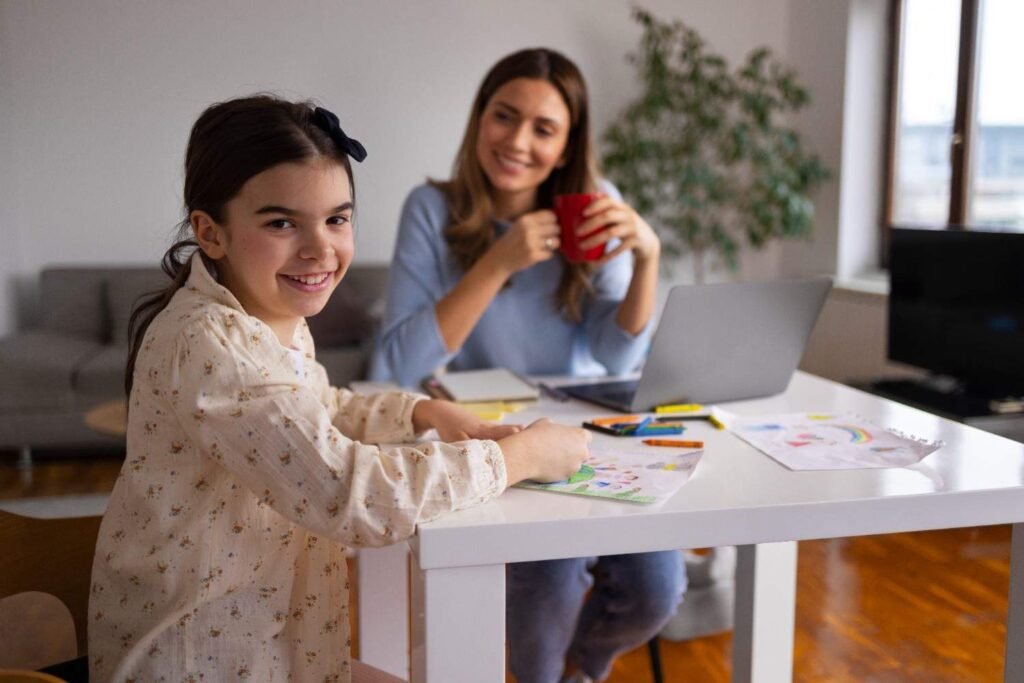
Instead of focusing solely on correcting bad behavior, actively notice and praise good behavior. Use specific praise such as, “I noticed how patiently you waited for your turn” instead of a vague “Good job.” Specific praise boosts your child’s self-esteem and reinforces the behavior you want to see more of.
2. The 10-10-10 Rule: Quality Time Matters
Children thrive when they receive undivided attention from their parents. The 10-10-10 rule suggests spending 10 minutes of quality time with your child when they wake up, when they return home after school, and right before bed. These moments can help strengthen your connection and ensure that your child feels heard and valued.
3. Offer Limited Choices: Empower Your Child
One way to reduce power struggles is by offering limited choices. This gives children a sense of control without compromising your authority. For example, you might say, “Would you like to wear the red shirt or the blue one?” This allows them to feel empowered while still following the boundaries you set.
4. Use the 7-7-7 Breathing Rule to Regain Calm
Parenting can be stressful, and when emotions run high, it’s easy to react impulsively. The 7-7-7 breathing rule encourages parents to take a deep breath for 7 seconds, hold for 7, and then exhale for 7 seconds. This simple practice helps you calm down, preventing reactive responses and modeling emotional regulation for your child.
5. Natural and Logical Consequences: Let Your Child Learn from Experience
Let your child experience the natural consequences of their actions when it’s safe to do so. For example, if they spill a drink, they can help clean it up. If they refuse to wear a coat, they will feel cold. These logical consequences teach responsibility and accountability in a way that’s respectful and not punitive.
6. Positive Phrasing: Focus on What You Want, Not What You Don’t
Instead of telling your child what not to do, focus on what you want them to do. Instead of saying, “Don’t run,” try “Please use your walking feet.” This shift in phrasing focuses on the desired outcome, rather than emphasizing the negative.
Age-Specific Positive Parenting Strategies
Understanding that children go through different developmental stages can help you tailor your positive parenting techniques for their unique needs.
For Infants: Trust & Security
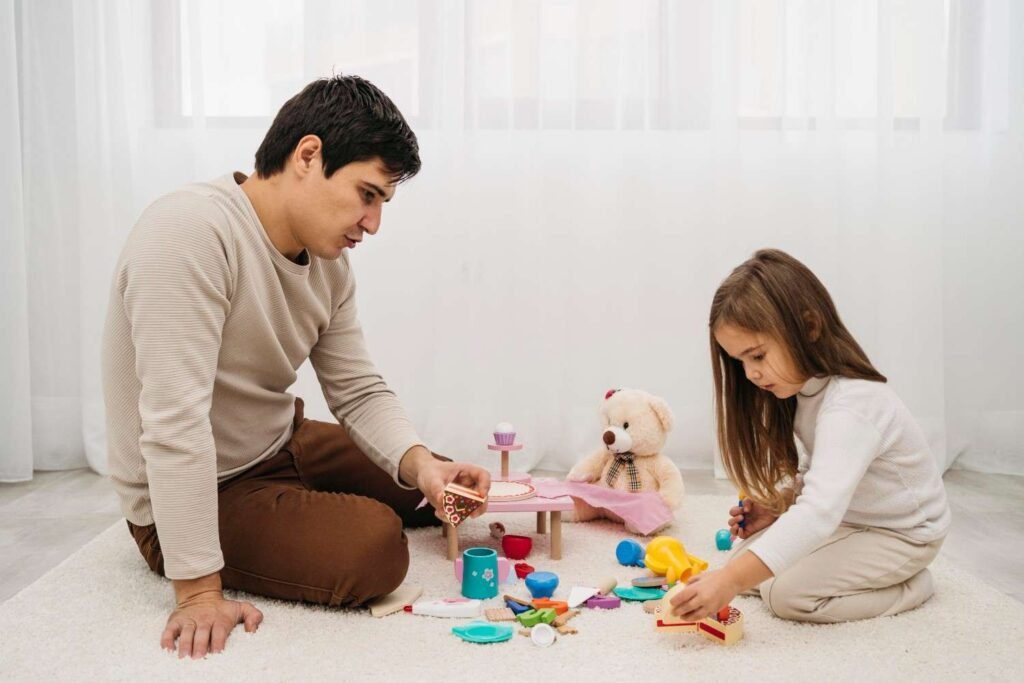
Respond quickly and gently to your baby’s needs to build a secure attachment. A child who feels safe and supported is more likely to develop healthy emotional bonds.
For Toddlers: Independence
Use redirection to guide your toddler’s attention toward safe activities. This encourages independence while ensuring they are safe and engaged.
For School-Age Children: Responsibility
Involve them in creating house rules and problem-solving family issues. Giving them some responsibility fosters a sense of ownership and teaches accountability.
For Teenagers: Autonomy
Allow more freedom and autonomy in exchange for responsibility. Transition from directing to negotiating with your teenager, ensuring they have a voice in decision-making.
Maintaining Parental Well-Being
Positive parenting requires patience, consistency, and emotional stability. It’s essential that you prioritize your own well-being. As a parent, you cannot pour from an empty cup—make sure to take regular breaks, practice self-care, and seek support when necessary. A calm, well-rested parent can provide the best guidance for their child.
Frequently Asked Questions (FAQs)
1. How do I handle tantrums using positive parenting?
When your child has a tantrum, stay calm and acknowledge their feelings. Guide them through their emotions and help them understand what happened and how they can handle it next time.
2. Can these techniques work for older children?
Yes! Positive parenting techniques work for all ages, including teenagers. The key is to adapt the strategies to fit your child’s growing independence and emotional needs.
3. What should I do if I lose my temper?
It’s okay to make mistakes. Apologize to your child and explain why you were upset. This models accountability and helps your child understand that everyone makes mistakes.
Positive Parenting Techniques
Positive parenting techniques are not just about getting immediate results. They are about building a strong foundation for your child’s future. By focusing on empathy, understanding, and guidance instead of punishment, you’ll foster a healthy emotional wellness that nurtures respect, communication, and responsibility.
Remember, positive parenting is a journey, not a destination. The steps you take today will help shape your child’s tomorrow.