
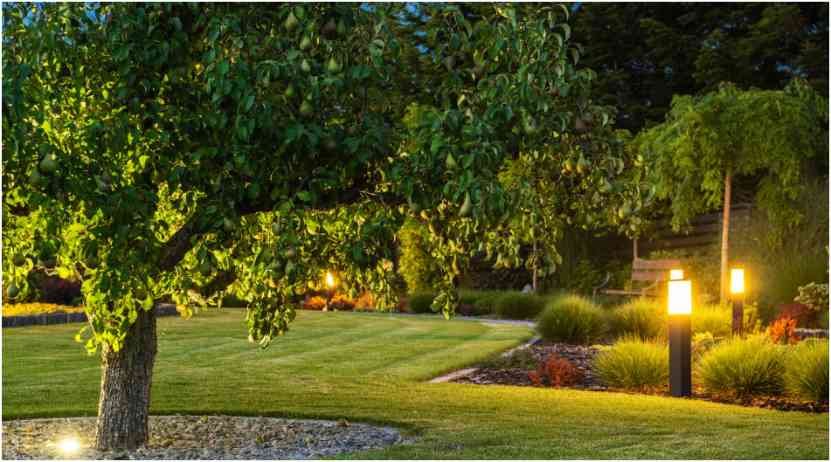
A thoughtfully designed landscape does more than boost curb appeal—it creates a space you’ll want to spend time in every day. Whether you’re starting with a blank yard or refreshing an existing garden, smart planning makes all the difference. This guide walks you through the core principles, element choices, and sustainable practices that bring a beautiful, functional landscape to life.
Understanding Your Space and Vision
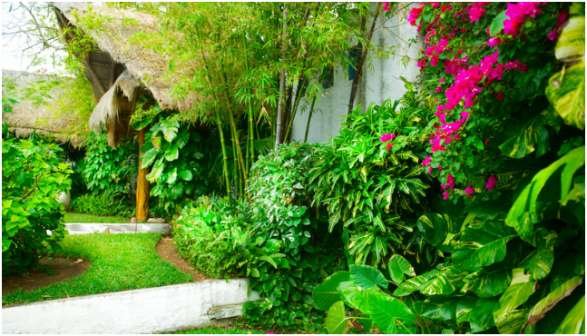
Every great landscape begins with a clear understanding of what you’re working with and what you hope to achieve. Skipping this step often leads to costly mistakes down the road.
Assessing Your Site
Start by studying your property closely. Note where sunlight falls throughout the day, since some areas may bask in full sun while others stay shaded. Pay attention to drainage patterns, soil quality, and existing features like mature trees or slopes. These conditions shape what will thrive and where.
Take measurements of your space and sketch a rough map. Mark fixed elements such as fences, walkways, and structures. This simple overview helps you plan realistically and avoid surprises once the work begins.
Defining Your Style and Goals
Think about how you want to use your outdoor space. Do you dream of a quiet retreat, a play area for kids, or a spot for entertaining guests? Your goals will guide nearly every decision that follows.
Consider the style that speaks to you, too. Some homeowners love the clean lines of a modern design, while others prefer the relaxed charm of a cottage garden but budget friendly ways to improve curb appeal. Choosing a direction early keeps your project cohesive and intentional.
Key Principles of Landscape Design
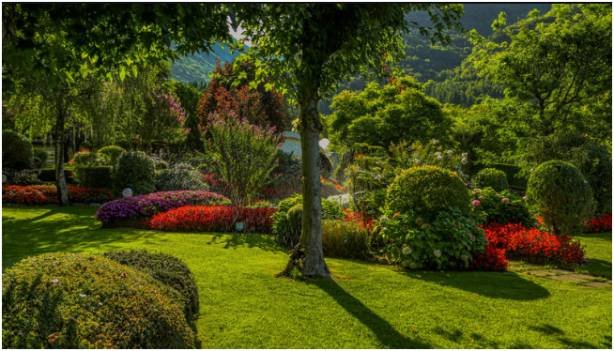
Strong design rests on a few timeless principles. Understanding them helps you create a space that feels balanced and pleasing to the eye. Before you buy a single plant, it’s worth visiting a tree nursery in Salt Lake City to see mature specimens in person and gather inspiration for your layout.
Balance and Proportion
Balance gives your landscape a sense of stability. Symmetrical designs mirror elements on either side of a central point, creating a formal feel. Asymmetrical balance uses different but visually equal elements for a more natural, dynamic look.
Proportion matters just as much. The size of your plants, structures, and features should relate well to one another and to your home. Oversized elements can overwhelm a small yard, while tiny features may get lost in a large one.
Unity and Harmony
Unity ties your whole landscape together. You can achieve it by repeating colors, shapes, or materials throughout the space. This repetition creates a sense of flow and prevents the design from feeling scattered.
Harmony comes from elements that work together rather than compete. Pairing complementary colors and textures helps every part of the garden feel like it belongs.
Focal Points and Emphasis
A focal point draws the eye and gives your landscape a sense of purpose. It might be a striking tree, a sculpture, a water feature, or a vibrant flower bed. Without one, a yard can feel flat and unmemorable.
Use emphasis to guide attention naturally. Position your focal point where it makes sense—at the end of a path or in the center of a garden bed—and let the surrounding elements support rather than distract from it.
Selecting the Right Elements
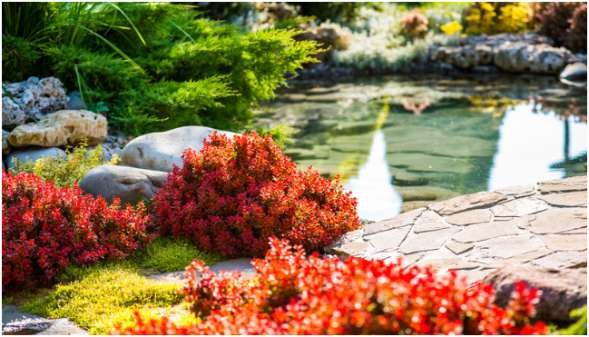
Once your vision and principles are clear, it’s time to choose the pieces that bring your design to life. Each element plays a role in both beauty and function.
Plant Choices and Placement
Plants form the heart of any landscape. Choose varieties suited to your climate, soil, and sunlight conditions, since plants that match their environment require less effort and thrive longer. Mix trees, shrubs, perennials, and ground covers for layers of texture and color.
Placement is key. Tall plants work well as backdrops or privacy screens, while shorter ones suit borders and edges. Group plants with similar water and light needs together to keep care simple and efficient.
Hardscaping Materials and Features
Hardscaping includes the non-living parts of your landscape, such as patios, walkways, retaining walls, and decks. These features add structure and make your space more usable.
Choose materials that complement your home and overall style. Natural stone offers a timeless look, while pavers and concrete provide flexibility and durability. Consistent materials across different features help tie the design together.
Water Features and Lighting
A water feature adds movement, sound, and a calming atmosphere. Options range from a small bubbling fountain to a larger pond. Even a modest feature can transform the mood of a garden.
Lighting extends the beauty of your landscape into the evening. Path lights improve safety, while accent lights highlight trees or architectural details. Thoughtful lighting makes your space inviting long after the sun goes down.
Sustainable and Low-Maintenance Solutions
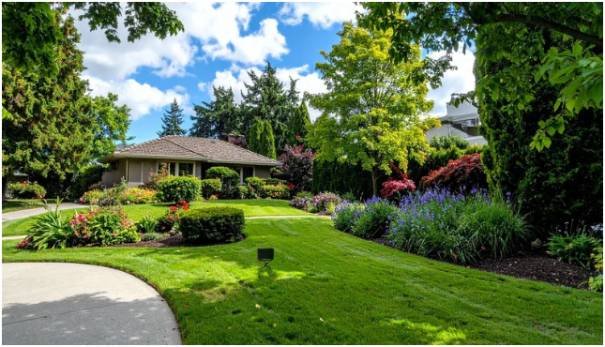
A beautiful landscape should be easy to care for and kind to the environment. Planning with sustainability in mind saves time, water, and money over the years.
Eco-Friendly Practices
Choose native plants whenever possible, as they adapt naturally to local conditions and support pollinators and wildlife. Native species typically need less water and fewer chemicals to flourish.
Consider adding compost to enrich your soil and installing efficient irrigation to reduce waste. Small choices like these add up to a healthier garden and a lighter footprint.
Designing for Easy Care
Low-maintenance design start with smart plant selection. Hardy perennials, drought-tolerant species, and slow-growing shrubs all cut down on upkeep. Mulching garden beds helps retain moisture and limits weeds.
Group plants by their needs and keep your layout simple to make ongoing care manageable. A well-planned garden rewards you with beauty without demanding endless hours of work.
Conclusion
Planning a beautiful landscape comes down to knowing your space, applying solid design principles, and choosing elements that balance form and function also keep your home organized all year long. With sustainable, low-maintenance practices, your garden can stay stunning for years to come. Start small, stay intentional, and watch your outdoor space transform into a place you truly love.