

I still remember the first time I noticed how much a film could say without anyone speaking. A lingering shot. A shift in light. A character’s expression held just a second too long. The message landed before my brain even tried to explain it.
That moment stuck with me because it revealed something simple and powerful: visuals speak faster than language ever can. In the United States, where film, advertising, and digital products shape daily life, visual storytelling without words shows up everywhere.
From Hollywood cinema to museum galleries to the apps people use every morning, meaning is often delivered silently. When done well, it feels natural. When done poorly, it creates confusion. The difference comes down to how visuals are structured, not how impressive they look.
Why Visual Storytelling Works Without Words
Visual storytelling without words relies on universal human behavior. People process images faster than text. Emotion is triggered before logic. Patterns, contrast, and movement are recognized instantly, regardless of language or cultural background.
In American film and design, this approach is especially effective because audiences are exposed to high volumes of visual media every day. Attention is limited. Visual cues need to carry meaning immediately. When visuals are intentional, they guide interpretation without asking for explanation.
Lessons From Film: Meaning Through Visual Structure
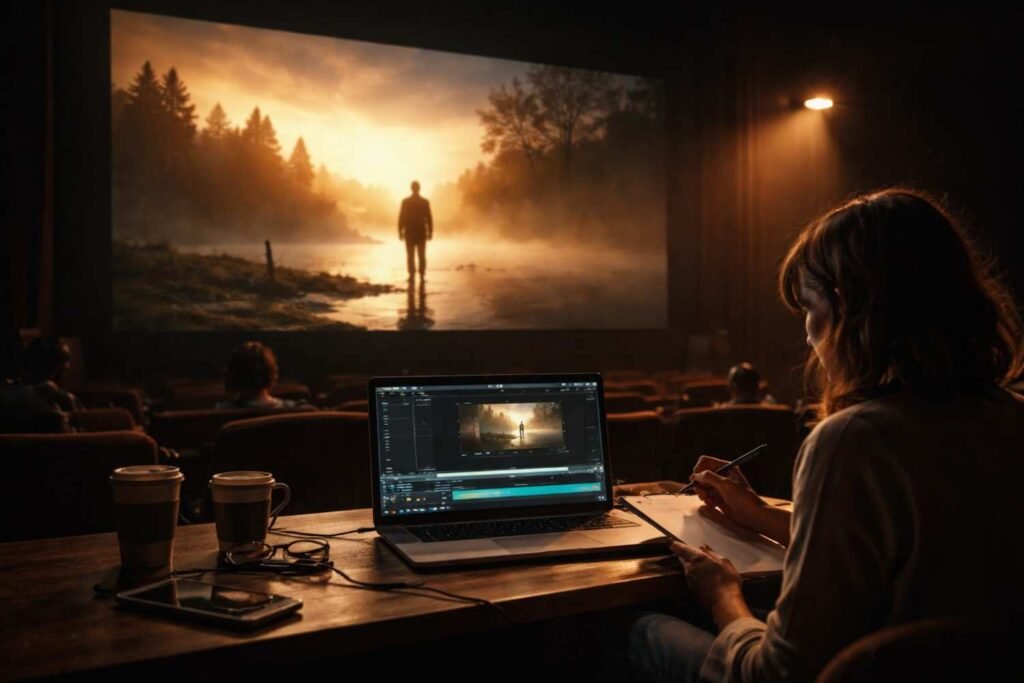
American cinema has long mastered storytelling without dialogue. Many iconic scenes rely almost entirely on visuals to communicate emotion, power, or tension.
Composition and framing are central to this. Where a character is placed in the frame can suggest dominance, vulnerability, or isolation. A wide shot can emphasize loneliness. A tight close-up can create intimacy or discomfort. These choices guide how viewers feel before they understand why.
Lighting and color also carry narrative weight. Warm tones often signal safety or nostalgia. Cooler palettes create distance or unease. In many U.S. films, lighting shifts subtly as characters change, reinforcing emotional arcs without a single spoken word.
Body language and facial expressions do the heavy lifting when dialogue is absent. Small gestures, posture, and eye movement reveal motivation and conflict. American filmmakers often lean on restraint here, trusting the audience to read what is left unsaid.
Editing and pacing tie everything together. The rhythm of shots controls how a story feels. Slow pacing invites reflection. Faster cuts build urgency. This visual flow creates narrative clarity even in silence.
Lessons From Art: Emotion Without Explanation
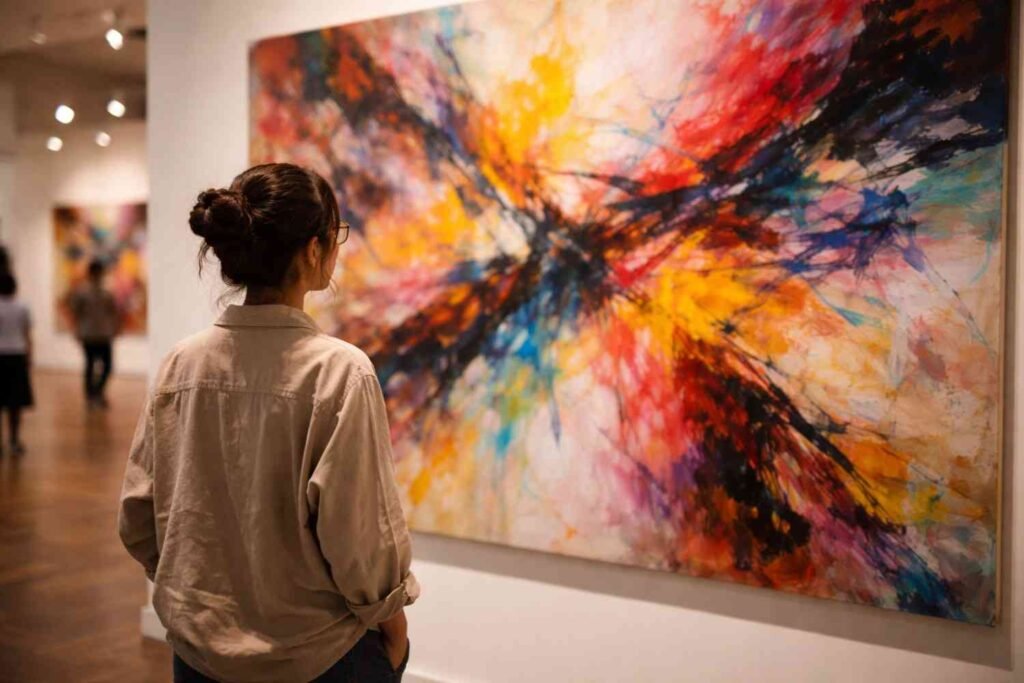
Visual storytelling without words did not begin with film. Traditional and contemporary art rely on the same principles, often with even fewer cues.
In American art spaces, viewers are rarely given instructions on what to feel. Instead, composition, contrast, and symbolism do the work. The absence of text forces engagement. Viewers bring their own experiences into the interpretation, making the story personal rather than prescribed.
Negative space plays a powerful role here. What is left out can be just as meaningful as what is shown. Stillness, imbalance, or repetition can create tension or calm without explanation.
Color choices matter deeply. Muted palettes can suggest restraint or loss. Bold contrast can signal conflict or energy. When visuals are intentional, emotion emerges naturally.
Lessons From UX Design: Guiding Without Explaining

In UX design, visual storytelling without words is not optional. It is essential. Interfaces must guide users quickly, clearly, and intuitively, especially in the U.S. market where expectations for ease of use are high.
Iconography is one of the clearest examples. A magnifying glass signals a search. A shopping cart signals purchase. These symbols remove the need for instruction and reduce friction across language and literacy levels.
Visual hierarchy shapes behavior. Size, contrast, and placement tell users where to look first and what matters most. When hierarchy is clear, users move through an interface without stopping to think.
Storyboarding the user journey helps designers think visually rather than verbally. Each screen becomes a moment in a larger narrative. When transitions feel logical, the experience feels human.
Core Principles That Connect Film, Art, And UX
Across film, art, and UX design, a few shared principles consistently drive effective visual storytelling without words:
- Clear visual hierarchy that guides attention naturally
- Emotional cues delivered through color, light, and composition
- Consistent symbolism that reinforces meaning over time
- Intentional pacing that controls how information is absorbed
These principles work because they respect how people actually see, feel, and decide.
Where Visual Storytelling Often Breaks Down

The most common failure is visual overload. Too many elements competing for attention dilute meaning. Another issue is inconsistency. When visuals do not follow a clear logic, users or viewers lose trust.
In UX, especially, decoration without purpose creates confusion. Every visual element must earn its place. If it does not support the story, it becomes noise.
Frequently Asked Questions (FAQs)
1. What Is Visual Storytelling Without Words?
Visual storytelling without words is the practice of communicating meaning, emotion, and narrative using images, composition, color, and movement instead of text or dialogue.
2. Why Is Visual Storytelling Important In UX Design?
It helps users understand interfaces quickly, reduces cognitive load, and creates intuitive experiences without relying on instructions or explanations.
3. How Do Films Tell Stories Without Dialogue?
Films use framing, lighting, body language, symbolism, and pacing to convey emotion and narrative structure visually.
4. Can Visual Storytelling Work Across Cultures?
Yes. When built on universal visual cues and emotions, visual storytelling can transcend language and cultural barriers effectively.
Final Thoughts
Visual storytelling without words works because it aligns with how humans naturally process the world. In film, art, and UX design, the most effective stories are often the quietest ones. They trust visuals to do the work. They respect the audience’s ability to feel before thinking. In the U.S., where visual saturation is high, clarity and intention matter more than ever.
When visuals are structured with care, silence becomes expressive rather than empty.