
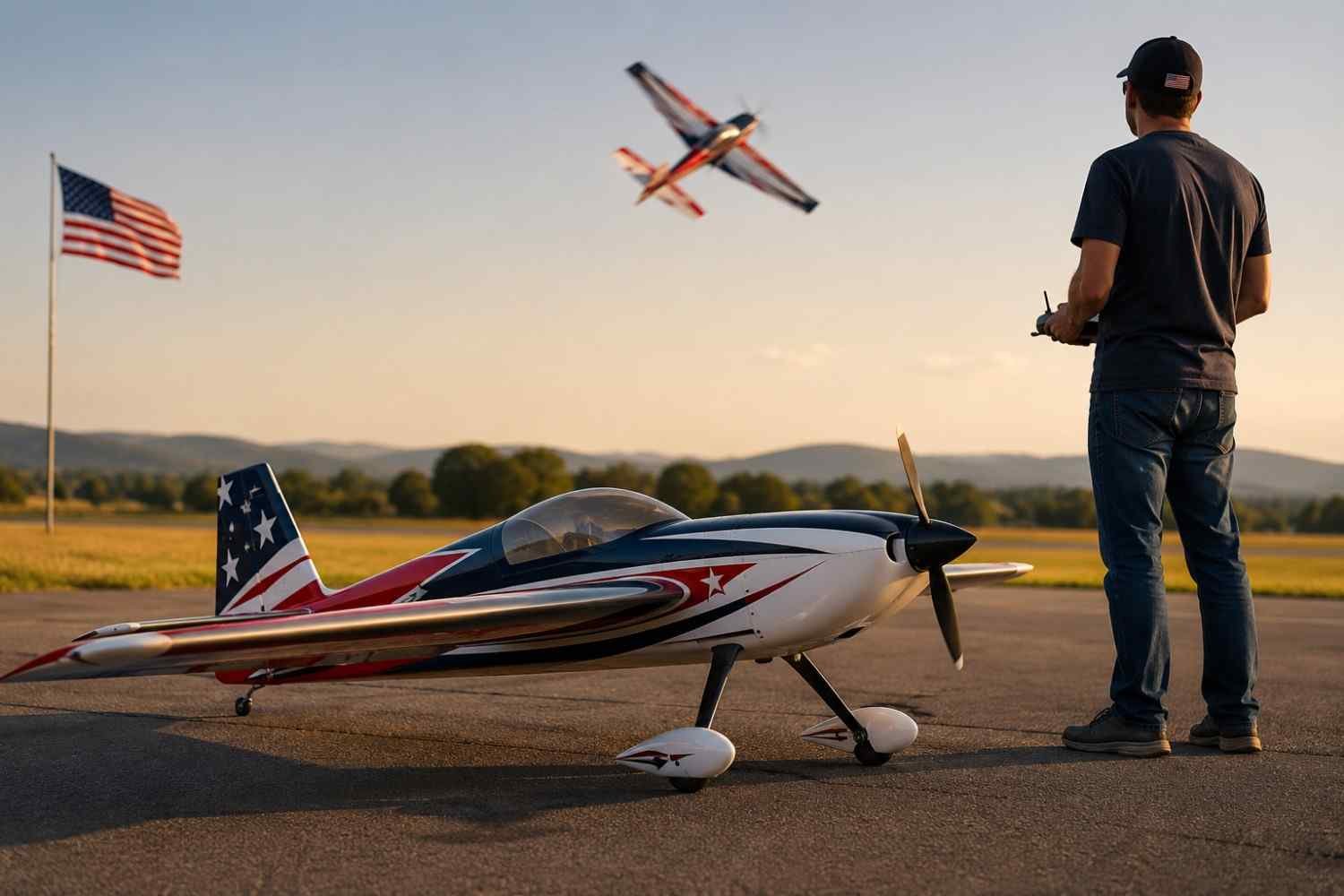
The hobby of remote-controlled flying has captivated enthusiasts for decades, combining the thrill of aviation with the hands-on experience of model building and piloting. Among the various types of remote-controlled vehicles, the rc aircraft plane holds a special place due to its complexity, variety, and the skill required to operate it successfully. This article delves into the fundamentals and nuances of RC aircraft planes, providing insight into their types, components, and the community surrounding this fascinating pursuit.
Understanding RC Aircraft Planes

An RC aircraft is a miniature aircraft controlled remotely by a user from the ground. These models range from simple trainers designed for beginners to sophisticated replicas of real aircraft for experienced pilots. The operation involves a transmitter held by the pilot and a receiver within the aircraft, which interprets control signals to manoeuvre the plane.
The appeal of flying RC aircraft lies in their realism and the mechanical understanding required to operate them. Enthusiasts not only enjoy piloting but often engage in assembling and fine-tuning their planes, enhancing both their technical skills and appreciation for aerodynamics.
Types of RC Aircraft Planes
There is a broad spectrum of RC aircraft, categorised primarily by design, power source, and skill level. Some of the common types include:
Trainer Planes
Designed for beginners, trainer planes generally have a high-wing configuration providing stability during flight. They often feature durable construction and forgiving flight characteristics, allowing new pilots to learn basic controls without frequent crashes.
Sport Planes
Sport planes are aimed at more experienced pilots who want increased manoeuvrability and performance. They can perform aerobatic tricks and are typically faster and less stable than trainers, requiring greater pilot input.
Scale Models

These RC aircraft planes are replicas of real aircraft, often modelled down to intricate details. Scale models appeal to enthusiasts interested in realism and historical aviation, though they demand higher skill levels due to their complex controls and flight characteristics.
Gliders
Glider RC aircraft planes are designed to soar on air currents, relying on efficient aerodynamics rather than powerful engines. Flying gliders requires understanding how travel changes perspective and weather conditions and thermals, allowing enthusiasts to experience a different dimension of flying.
Electric versus Nitro-powered Planes
RC aircraft can be powered by electric motors or internal combustion engines using nitro fuel. Electric models are quieter, easier to maintain, and suitable for beginners, while nitro-powered planes offer more power and authentic engine sounds, often preferred by advanced pilots.
Components of an RC Aircraft Plane
Understanding the essential components of an RC aircraft assists in maintenance and upgrades. Key parts include:
Airframe
The airframe forms the structure of the plane, typically made from materials like balsa wood, foam, or composite plastics. The choice of material affects durability, weight, and flight performance. This also reshapes personal identity.
Control Surfaces
Control surfaces such as ailerons, elevators, and rudders allow the pilot to control the plane’s roll, pitch, and yaw. Precision in these components is vital for agile and stable flight.
Powerplant
The engine or motor provides thrust. Electric motors, powered by lithium polymer batteries, have become prevalent due to their efficiency and ease of use. Nitro engines, though less common today, offer higher power output and a traditional flying experience.
Radio System
The radio transmitter and receiver form the communication link between the pilot and the plane, allowing control inputs to be transmitted in real time. Modern systems use frequency hopping spread spectrum (FHSS) or direct-sequence spread spectrum (DSSS) technology for interference-free operation.
Getting Started with RC Aircraft Planes

For newcomers, selecting the right RC aircraft plane is crucial. Starting with a stable trainer coupled with a beginner-friendly radio system can ease the learning curve. Training aids with AI-assisted planning, such as flight simulators and dual-control planes with an instructor, are beneficial for building foundational skills.
Joining local RC clubs or online forums provides access to experienced pilots, useful advice, and flying field locations. Safety and adherence to local aviation regulations are important considerations when operating RC aircraft.
Maintenance and Upgrading
Routine maintenance extends the life and performance of RC aircraft planes. This includes checking the integrity of the airframe, cleaning motors, and inspecting electronic connections. Battery health is particularly important for electric models to ensure safe and efficient operation.
Many hobbyists enjoy upgrading components such as servos, motors, and avionics. Upgrades can enhance flight performance, response times, and add features like GPS or telemetry systems that provide real-time data during flight.
The RC Aircraft Community
The RC aircraft plane hobby boasts a vibrant, global community. Competitions and events offer opportunities for pilots to demonstrate their skills, showcase innovative designs, and exchange knowledge. Categories range from casual flying to competitive aerobatics and scale modelling contests.
Manufacturers and hobby stores support this community by providing a diverse range of equipment, spare parts, and educational materials. Online resources complement this support with tutorials, reviews, and forums dedicated to the nuances of RC plane flight.
Technological Advances in RC Aircraft Planes

Technological advancements have significantly influenced the evolution of RC aircraft. Lightweight materials, sophisticated electronics, and powerful electric propulsion have made models more reliable and accessible.
Additionally, autopilot and GPS stabilization systems have been integrated into some models, assisting even novices to maintain stable flight and execute complex manoeuvres safely. The trend towards modular electronics enables easy repairs and customisation.
Environmental and Regulatory Considerations
With growing environmental awareness, electric RC aircraft planes are preferred for their cleaner operation compared to petrol or nitro engines. Quiet operation also minimises noise pollution, making them suitable for use in populated areas.
Regulations related to drone and model aircraft operation vary by region and should be followed strictly. These often address height restrictions, proximity to airports, and ensuring a line of sight at all times during flight.
The Future of RC Aircraft Planes
The future of the RC aircraft plane hobby appears promising, fuelled by ongoing innovation in propulsion technologies, materials science, and digital controls. Simultaneously, the integration of virtual reality and artificial intelligence could further transform how enthusiasts experience remote flight.
Developments in battery technology and lightweight composites are expected to enhance flight duration and agility, expanding the possibilities for both casual pilots and competitive flyers.
Conclusion
Exploring the world of RC aircraft planes offers enthusiasts a rewarding blend of technical challenge, aviation appreciation, and community engagement. Whether focusing on learning basic flight control or pushing the boundaries of scale modelling and aerobatics, this hobby provides avenues for continual growth and enjoyment.
For those interested in beginning or expanding their RC aircraft journey, exploring specialist websites and suppliers provides valuable resources and a wide selection of suitable planes and accessories. The diverse options and support networks ensure that the world of RC aircraft planes remains accessible and engaging for pilots of all skill levels.