
In the United States, social media trends don’t feel slow anymore. A phrase, a sound, or a reaction can jump from a small corner of the internet to everyday conversation in less than a day. You notice it when coworkers repeat the same joke, when brands suddenly reference the same meme, or when a TikTok audio shows up everywhere at once. What looks spontaneous is usually the result of several forces working together beneath the surface.
Trends today are shaped by how platforms are built, how communities behave, and how people emotionally respond to what they see online. Social media has turned trend formation into a repeatable pattern, even though it still feels unpredictable when you’re watching it happen in real time.
How Trends Originate On Social Media
Most trends don’t begin on the biggest accounts. They usually start inside smaller digital communities where people share common interests, humor, or experiences. In the US, these spaces range from niche TikTok communities like BookTok to local creators sharing everyday moments that feel relatable. When content reflects something familiar or emotionally honest, it gets noticed quickly by others who feel the same way.
Algorithms play a major role at this stage. Platforms like TikTok don’t rely heavily on follower counts. Instead, they test content with small groups of users and expand its reach if engagement signals are strong. This allows trends to originate from ordinary users, not just influencers or celebrities, which is why so many viral moments feel authentic at first.
Brands also contribute at the origin stage, even if it’s less obvious. Many companies actively research online behavior, cultural shifts, and emerging “digital tribes.” When done well, brand-driven trends blend in with organic content and feel like they belong to the moment rather than an advertisement.
Why Some Ideas Catch Fire While Others Don’t
Not every creative post turns into a trend. Certain characteristics increase the odds that something will spread. Content that is easy to understand, easy to recreate, and emotionally charged performs better in early testing phases. If people instantly know how to participate or remix an idea, they’re more likely to try it themselves.
Emotions matter more than polish. Surprise, humor, nostalgia, and even mild outrage tend to push people toward sharing. In the social media landscape, trends that tap into shared cultural experiences often move faster because they feel instantly familiar.
How Trends Spread Across Platforms
Once a trend gains traction, participation becomes more important than reach. While influencers may introduce content to new audiences, trends only explode when large numbers of regular users join in. This mass participation signals platforms to push the content further, creating a feedback loop between users and algorithms.
Here’s where spread accelerates:
- Low-effort participation allows more users to join quickly
- Visible repetition reinforces the idea that something is “everywhere”
- Cross-platform migration helps trends move from TikTok to Instagram, YouTube Shorts, and beyond
This stage is where a trend shifts from niche entertainment to mainstream culture.
The Role Of Algorithms In Trend Velocity
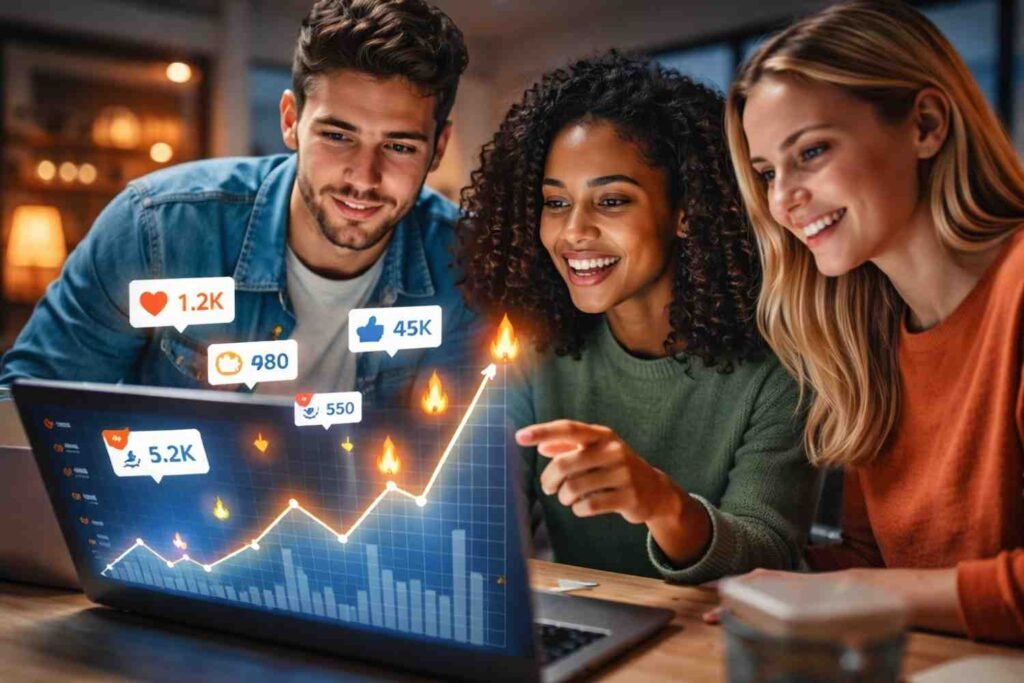
Algorithms decide what gets repeated. They prioritize content that keeps people watching, commenting, and sharing. When a post performs well early, it’s shown to more users who behave similarly, increasing the chance of continued engagement.
This system explains why trends can rise and fall so fast. Once engagement slows, platforms stop amplifying the content, and attention moves on. In the US, where users consume massive amounts of short-form video daily, trend cycles have become shorter and more intense.
How Brands And Individuals Interact With Trends
For individuals, participating in trends is often about belonging. Joining in feels like being part of a shared moment, even if it only lasts a few days. Trends create a sense of community, especially when they reflect common humor or social experiences.
For brands, trends present both opportunity and risk. Companies that understand context and timing can connect naturally with audiences. Those who jump in too late or without relevance often feel forced. The difference usually comes down to whether a brand understands why the trend exists, not just that it exists.
Frequently Asked Questions (FAQs)
1. Why do social media trends spread so fast?
High daily platform usage, algorithm-driven feeds, and a strong culture of participation allow trends to move rapidly from niche groups to national visibility.
2. Do influencers still matter in spreading trends?
They help with exposure, but widespread participation from everyday users is what turns a trend into a mainstream moment.
3. Are trends created intentionally by platforms?
Platforms don’t create trends directly, but their recommendation systems strongly influence which ideas gain visibility and momentum.
4. Can brands realistically start their own trends?
Yes, but only when the idea aligns with existing cultural behavior and feels natural to the platform and audience.
Final Thoughts
Social media trends aren’t random accidents. They form where human behavior, platform design, and emotional response intersect. Trends originate in small communities, grow through mass participation, and spread because algorithms reward engagement. Understanding this cycle helps explain why some ideas take over the internet while others disappear without notice.
Being aware of how trends work makes it easier to participate thoughtfully rather than chasing every viral moment that comes along.