
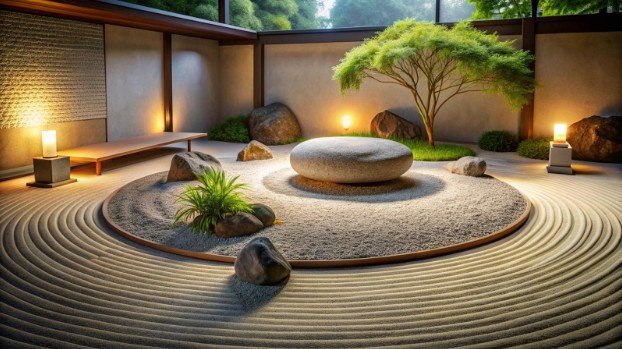
Creating a Zen garden at home is an incredibly rewarding experience. Not only do these gardens bring beauty and tranquility into your space, but they also promote mindfulness and relaxation. Whether you have a spacious backyard or a small apartment, there’s a Zen garden style for every home.
In this guide, I am going to explain the essential elements and provide easy-to-follow steps on how to create a Zen garden that reflects peace and simplicity.
Why Create a Zen Garden?
A Zen garden, or Japanese rock garden, is designed to mimic the beauty and tranquility of nature, offering a space for meditation and mindfulness. The concept is rooted in Zen Buddhism, where creating harmony and balance with natural elements fosters clarity and inner peace.
Incorporating a Zen garden into your home can:
- Enhance mindfulness through the simplicity of design.
- Create a peaceful atmosphere by reducing visual clutter.
- Provide a personal retreat for relaxation and meditation.
- Boost aesthetic appeal, transforming your outdoor or indoor space into a serene oasis.
How to Choose the Perfect Spot for Your Zen Garden

Before you start building your Zen garden, you need to choose the right location. The placement of your garden plays a critical role in how it influences your space.
Outdoor Zen Garden
If you have a backyard, outdoor Zen gardens are a perfect way to connect with nature. Select a quiet, peaceful area that receives plenty of natural light and isn’t too exposed to noise or distractions. A secluded corner or a spot near a tree or water feature works best for an authentic Zen experience.
Indoor Zen Garden
For those with limited outdoor space, indoor Zen gardens offer a wonderful alternative. You can create a peaceful retreat in your living room, bedroom, or even on a desk. Choose a flat surface like a table or shelf that can accommodate the size of your garden.
Step-by-Step Guide to Creating a Zen Garden at Home

Now that you’ve chosen the perfect spot, it’s time to start building your Zen garden. The process is simple and doesn’t require a lot of expensive materials.
Step 1: Gather Essential Materials
The beauty of a Zen garden lies in its minimalist design. Here’s a list of basic materials you’ll need:
- Rocks or Stones: Symbolizing mountains or islands, rocks are central to Zen garden design.
- Sand or Gravel: This represents water or the sea. Fine sand or gravel works best for creating the soothing raked patterns.
- Rake: A small hand rake helps create the calming lines in the sand.
- Plants: Simple plants like moss, bamboo, or succulents can add life and color to the garden.
- Optional Water Feature: Adding a small fountain can bring a calming sound of running water to the space.
Step 2: Design the Layout
Begin by laying down the sand or gravel on the base of your garden. Spread it evenly across the surface, leaving enough room around the edges for rocks and plants. The layout should be simple and spacious to allow the different elements to breathe and maintain balance.
Here are some popular design ideas:
- Circular Patterns: Representing the flow of water, circles can add fluidity to your design.
- Straight Lines: Simple, straight lines symbolize calm water. You can create these with your rake.
- Asymmetry: Zen gardens embrace asymmetry, so avoid perfectly symmetrical arrangements. A natural, uneven pattern promotes balance.
Step 3: Add Rocks and Stones
Rocks are key to a Zen garden’s design. They symbolize stability and permanence. Place them strategically in the sand or gravel to create focal points and a sense of depth. Grouping rocks in clusters can also represent islands or mountains.
- Larger Stones: Place them in the back or corners to serve as focal points.
- Smaller Stones: These can be scattered around, representing smaller islands.
Step 4: Incorporate Plants and Greenery
While Zen gardens are minimalist in nature, adding a few plants can enhance the tranquility of the space. Choose plants that are low-maintenance and complement the design.
- Moss: Perfect for creating a lush green appearance while maintaining simplicity.
- Bamboo: Symbolizing strength and flexibility, bamboo adds elegance.
- Succulents: These hardy plants are great for both indoor and outdoor Zen gardens, offering a touch of color and texture.
Step 5: Rake the Sand
The act of raking is one of the most important aspects of a Zen garden. It represents the flow of water and allows you to engage in mindful gardening as a practice while maintaining the garden.
Use a small rake to create calming lines in the sand. The most common pattern is a circular design, which mimics the natural movement of water. Keep the lines simple and gentle, focusing on creating symmetry and harmony in the space.
Step 6: Optional Water Feature
For an added touch of serenity, consider incorporating a water feature such as a small fountain or bowl of water. The sound of flowing water can deepen the sense of peace in your Zen garden and provide a soothing ambiance.
How to Maintain Your Zen Garden

Maintaining your Zen garden is simple but essential to preserving its tranquility:
- Rake regularly: Rake the sand or gravel at least once a week to maintain its calming patterns.
- Trim plants: Keep plants neat and tidy, trimming any overgrowth to maintain the garden care in minimalism.
- Clean the rocks: Occasionally, wash the rocks to remove any debris or dirt that may accumulate.
Frequently Asked Questions (FAQs)
1. What materials do I need for a Zen garden?
To create a Zen garden, you’ll need rocks, sand or gravel, a rake, and optional plants or a water feature. The key is to keep things simple and minimalist.
2. Can I create a Zen garden indoors?
Yes, indoor Zen gardens are a great option for apartments or small spaces. You can create one on a flat surface like a table, desk, or shelf using the same materials as an outdoor garden.
3. What plants are best for a Zen garden?
For a Zen garden, plants like moss, bamboo, or succulents are ideal. They’re simple, low-maintenance, and enhance the peaceful vibe of the garden.
4. How often should I rake my Zen garden?
To maintain the tranquility of your Zen garden, rake it regularly. Once a week is sufficient to keep the sand or gravel patterns fresh and calming.
Final Thoughts
Creating a Zen garden at home is not only about designing a beautiful space but also about embracing the principles of simplicity, balance, and mindfulness. With a few basic materials and a clear design, you can craft a serene environment that invites peace, reflection, and relaxation into your home.
Planning to choose to place it indoors or outdoors, your Zen garden will become a retreat where you can unwind and reconnect with nature. Take the first step today, and transform your space into a peaceful oasis with a Zen garden.