
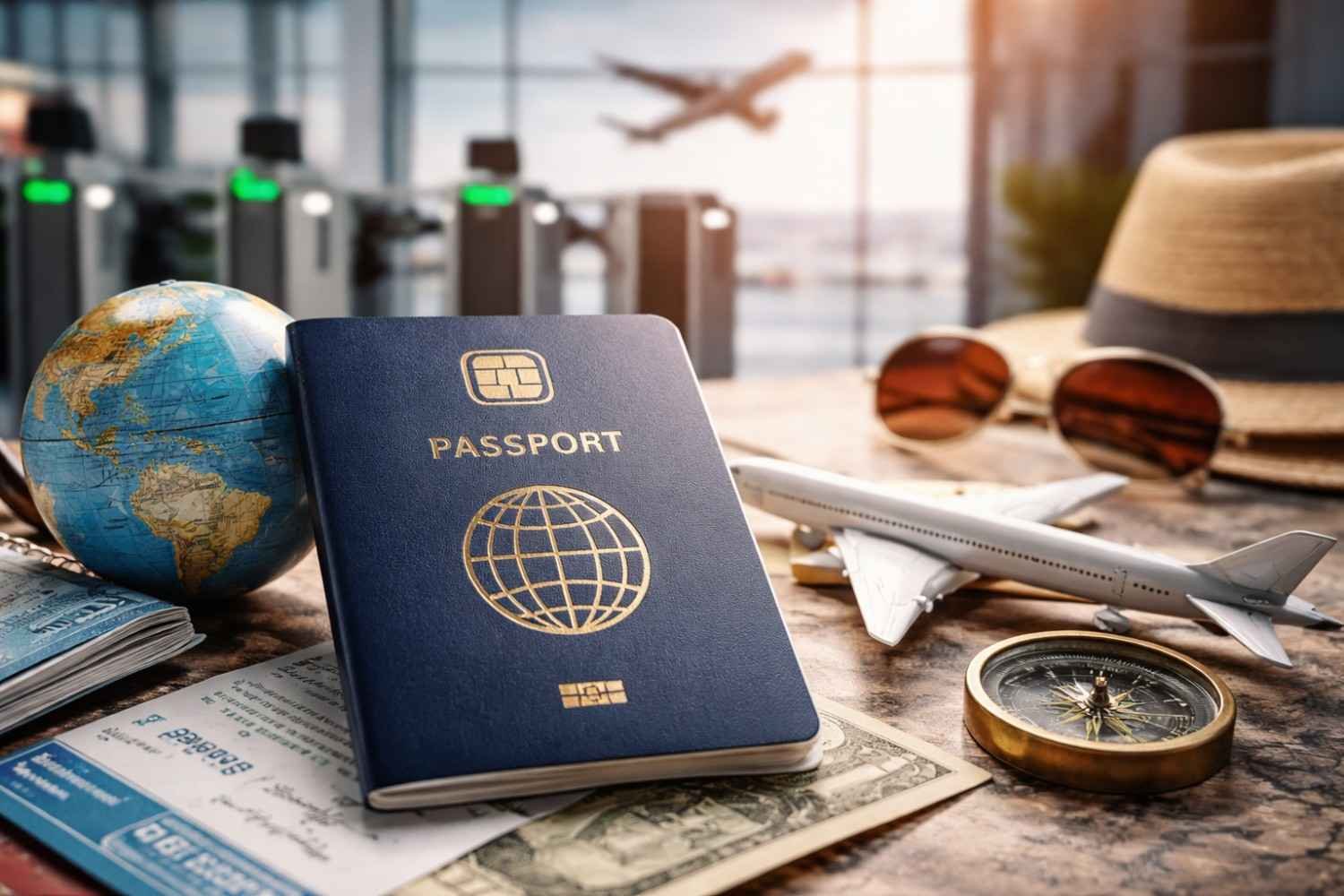
If you’re like me, the thought of traveling internationally can bring on a mix of excitement and a little stress — especially when it comes to passport control lines. But what if there was a way to skip the long waits and make international travel smoother? Heard of biometric passports?
If you haven’t heard about them yet, trust me, you’ll want to know more. In this blog, I’ll take you through everything you need to know about biometric passports and why U.S. citizens should consider upgrading to one for their next trip.
Let’s talk about how they work, the benefits, and how biometric passports can make your travel experience safer and more efficient. Ready to learn how this technology can change your travel game? Let’s dive in!
What Is a Biometric Passport and Why Should U.S. Citizens Care?
If you’ve ever applied for a U.S. passport, you’re familiar with the basic process: submit your info, provide a photo, and wait. But now, the U.S. is embracing biometric passports — the next step in secure and efficient travel.
A biometric passport is a traditional passport with a microchip embedded in the data page. This chip holds biometric data (like facial recognition, fingerprints, or iris scans), which enhances security by providing a second layer of identity verification. The chip can be read wirelessly by passport control systems in other countries — speeding up the process and making it much harder for someone to fraudulently use your passport.
How Does a Biometric Passport Work for U.S. Citizens?

If you’re a U.S. citizen, you’re probably wondering how this all works when you’re traveling. Here’s the breakdown:
- U.S. Passport Application: When you apply for or renew a U.S. passport, you’ll be issued a biometric passport if you apply for a U.S. e-passport (which has been the standard for all U.S. passport holders since 2006). You’ll still provide your usual personal information, but your biometric data will be stored in the chip.
- At Border Control: When you arrive in another country (or return to the U.S.), your passport will be scanned by automated systems, and your biometric data will be compared to live scans — like a facial scan — to confirm your identity.
- Faster Entry to the U.S.: For U.S. citizens, biometric passports also make Global Entry and NEXUS programs (which speed up customs processing) more accessible. If you’re a frequent traveler, these programs make entering the U.S. much faster.
Why Are Biometric Passports a Big Deal for U.S. Travelers?

As a U.S. citizen, you want your travels to be safe, easy, and efficient. That’s where biometric passports come in. Here’s why they’re a game-changer:
1. Increased Security
Identity theft and passport fraud are real issues in international travel, but biometric passports make it much harder to forge a passport or steal someone’s identity. The biometric data in the chip (like your facial features or fingerprints) can’t be easily replicated, which is a huge win for U.S. citizens worried about security. Your data is encrypted and stored securely, making it tough for anyone to manipulate or duplicate.
2. Skip the Lines with E-Gates
Do you ever feel like you’re wasting precious travel time standing in long immigration lines? With a biometric passport, you can use e-gates at most major airports, which allows you to breeze through customs without speaking to an officer. This means less waiting and more time enjoying your destination! I’ve used e-gates at U.S. airports like JFK and LAX, and it made my return to the U.S. a breeze.
3. Travel Smarter with Global Entry and NEXUS
If you’re a frequent international traveler, you should consider Global Entry or NEXUS. These programs, which are available to U.S. citizens with biometric passports, make customs and border processing quick and painless. These programs help you bypass the regular lines and use expedited lanes when entering the U.S. from international flights, saving you tons of time.
Biometric Passports vs. Regular Passports: What’s the Difference for U.S. Citizens?
Here’s the quick lowdown on how biometric passports stack up against traditional U.S. passports:
| Feature | Traditional Passport | Biometric Passport |
| Data Storage | Printed info only | Microchip + printed info |
| Identity Verification | Manual visual check | Automated biometric match |
| Fraud Resistance | Moderate | High (Encrypted Data) |
| Travel Speed | Standard | Faster (E-gates, Global Entry) |
| Global Recognition | Limited | Widely accepted (ICAO Standard) |
Common Concerns U.S. Citizens Have About Biometric Passports

Are My Biometric Details Safe?
This is a common question among U.S. travelers. The good news is that your biometric data is highly encrypted and protected by advanced security protocols. Only authorized border control systems can access your data. It’s stored in a way that makes it virtually impossible to tamper with. U.S. citizens can rest assured knowing their data is safe.
What Happens If My Passport Is Stolen?
If your biometric passport is stolen, it’s crucial to report it immediately to the U.S. Department of State. You’ll be able to block the passport and request a replacement. Biometric passports come with a range of security measures, including tamper-evident features, which makes them harder to forge if stolen.
The Future of Biometric Passports for U.S. Travelers
As biometric passport technology continues to evolve, we’ll likely see even more seamless travel experiences for U.S. citizens. Mobile passports might be the next big thing, where your smartphone could serve as your travel document. And with new biometric authentication methods like voice recognition or even gait analysis, the possibilities are endless.
Frequently Asked Questions (FAQs)
1. How do I get a biometric passport as a U.S. citizen?
Getting a biometric passport in the U.S. is simple. When applying for or renewing your passport, just make sure to select the e-passport option. All new U.S. passports are biometric.
2. How long does it take to get a biometric passport?
Typically, it takes 6–8 weeks to process your biometric passport, but expedited services are available if you need it sooner.
3. Can I use my biometric passport for all types of international travel?
Yes! Biometric passports are recognized globally and are accepted at border control checkpoints in most countries.
Wrapping It Up: A Smarter Way to Travel
If you’re a U.S. citizen who values speed, security, and ease when traveling internationally, biometric passports are an absolute must-have. Not only do they make your travels safer, but they also make your experience smoother, especially when navigating busy airports or crossing borders. The future of travel is here, and biometric passports are leading the way.