
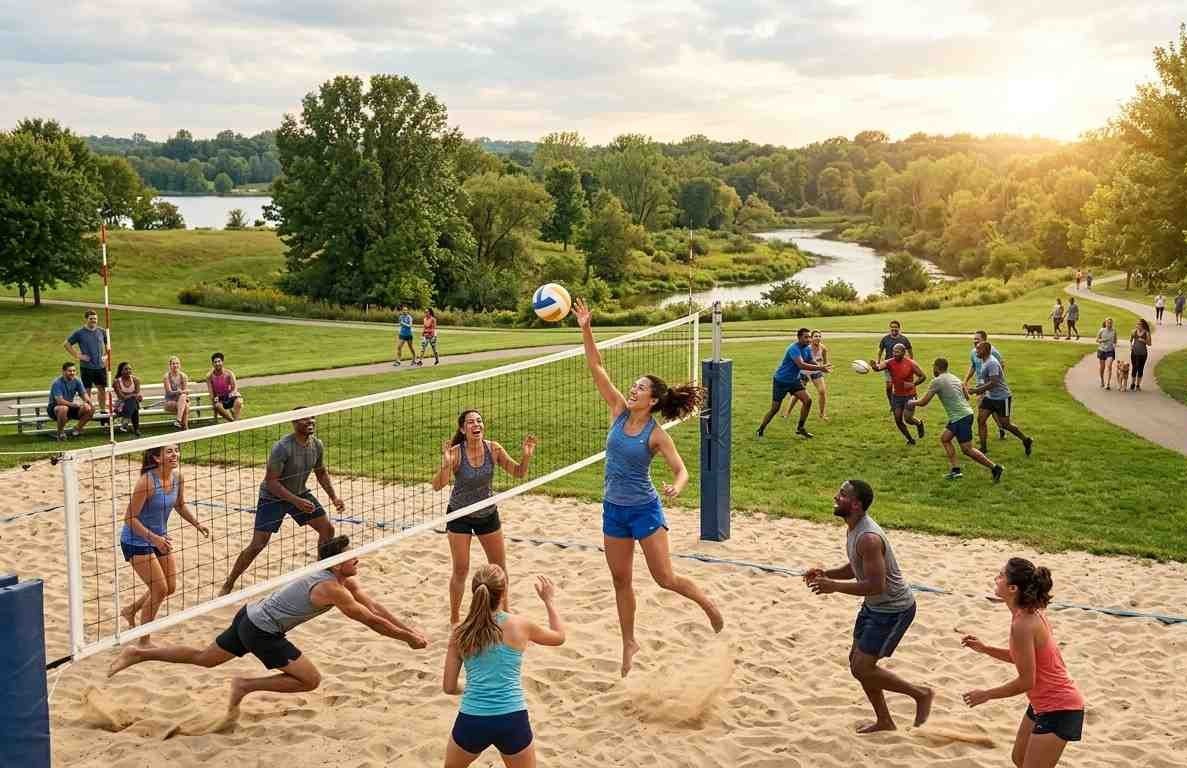
Recreational sports offer more than an opportunity to stay physically active. They create valuable experiences that support emotional balance, social connections, and overall wellness. Whether participating casually or joining organized activities, people of all ages can benefit from movement, teamwork, and friendly competition.
By making exercise enjoyable and accessible, recreational sports encourage healthier routines while helping individuals manage stress, build confidence, and maintain a stronger connection with their communities.
Improve Physical Health Through Regular Activity
One of the most important benefits of recreational sports is the positive impact they have on physical health. Activities that involve movement help improve cardiovascular fitness, strength, flexibility, and endurance. Unlike traditional workouts that may feel repetitive, recreational sports provide variety and enjoyment, making it easier for people to stay consistent.
Regular participation in sports can support healthier body function by encouraging active movement throughout the week. Activities such as team sports, court games, swimming, cycling, and outdoor activities allow individuals to exercise while focusing on skill development and enjoyment.
Build Strength And Improve Coordination
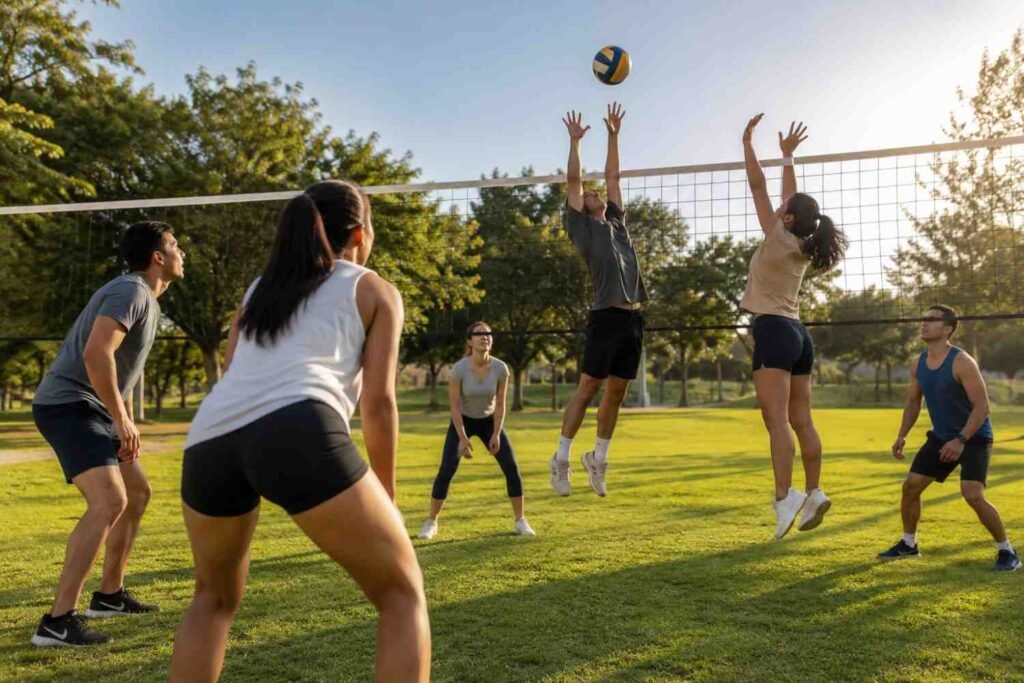
Many recreational sports require a combination of balance, coordination, and quick decision-making. These skills help improve physical control and can support better movement patterns over time.
For younger participants, sports can contribute to healthy growth and motor skill development. For adults and older individuals, recreational activities help maintain mobility, strength, and independence while encouraging an active lifestyle.
Support Mental Wellness And Stress Management
Physical activity has a strong connection to mental well-being. Recreational sports provide an effective way to reduce daily stress by encouraging the body to release natural mood-supporting chemicals during exercise.
Participating in enjoyable activities creates opportunities to step away from work, responsibilities, and everyday pressures. This mental break can improve focus, increase energy levels, and help individuals feel more balanced.
Encourage Confidence And Personal Growth
Recreational sports also help build confidence by allowing participants to set goals, develop skills, and recognize personal improvement. Learning new techniques or overcoming challenges can create a stronger sense of accomplishment.
Friendly competition encourages perseverance and resilience. Whether someone wins a game or simply improves their performance, the process of practicing and progressing can positively influence self-esteem.
Strengthen Social Connections Through Community Activities
Recreational sports create opportunities for people to connect with others who share similar interests. These social interactions can help build friendships, strengthen community relationships, and reduce feelings of isolation.
Group activities encourage communication, teamwork, and mutual support. Whether playing with friends, joining a local club, or participating in organized events, recreational sports create welcoming environments where people can interact and build meaningful connections.
Create Opportunities For Inclusive Participation
A major advantage of recreational sports is their ability to bring together people with different backgrounds and experience levels. Many activities can be adapted to accommodate various ages, abilities, and skill levels.
Community events and local competitions provide accessible ways for individuals to participate and feel included. For example, joining a pickleball tournament in Baton Rouge can offer players a chance to enjoy friendly competition while connecting with other members of the community.
Inclusive recreational opportunities encourage more people to become active and experience the physical and social benefits of sports.
Develop Healthy Lifestyle Habits
Recreational sports can help individuals create long-lasting habits that support overall wellness. When exercise is enjoyable, people are more likely to make physical activity a regular part of their routines.
Consistent participation can influence other healthy choices, including nutrition for better fitness, improved sleep habits, and greater awareness of personal health. Recreational activities provide a foundation for maintaining an active lifestyle without making exercise feel like a chore.
Encourage Long-Term Motivation
Many people struggle to maintain exercise routines because traditional workouts may become difficult to sustain. Recreational sports motivate enjoyment, social interaction, and personal goals.
Having teammates, training partners, or scheduled activities creates accountability and encourages continued participation. Over time, these routines can become an important part of a healthier lifestyle.
Promote Emotional Balance And Positive Mindsets
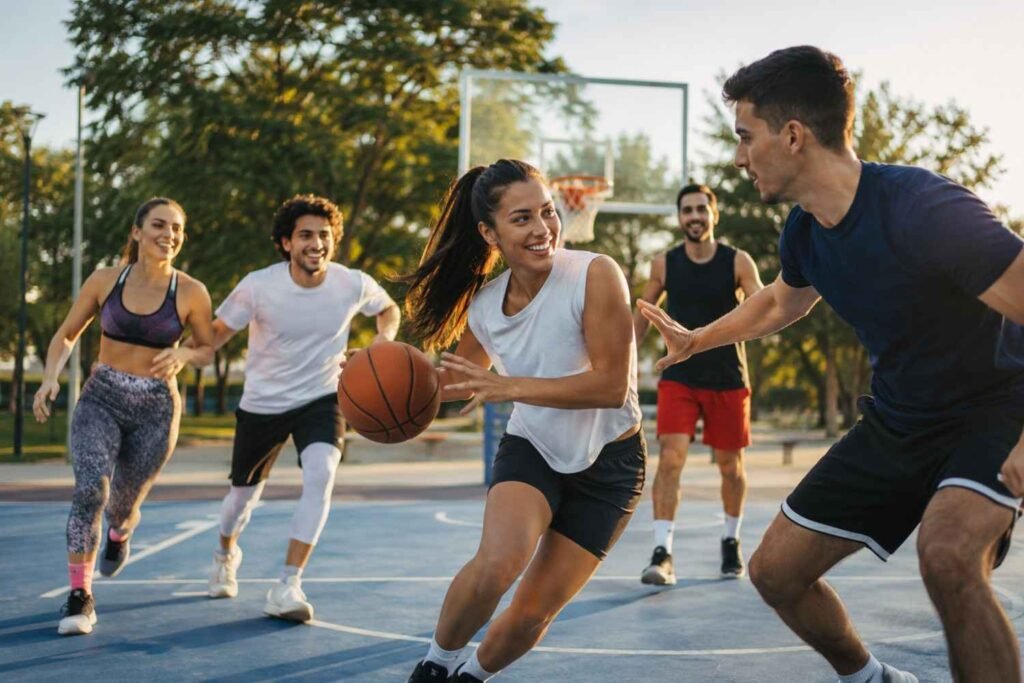
Recreational sports contribute to emotional wellness by creating experiences that encourage enjoyment, relaxation, and connection. Taking time to participate in activities that bring happiness can improve overall quality of life.
Sports also teach valuable emotional skills, including patience, communication, and managing challenges. Learning how to handle competition, setbacks, and improvement opportunities can strengthen emotional resilience.
Create A Sense Of Achievement
Completing a challenging activity or reaching a personal goal can provide a strong sense of satisfaction. These achievements, whether large or small, help individuals recognize their abilities and continue pursuing personal growth.
The positive experiences created through recreational sports can extend beyond the activity itself. Participants often carry increased confidence, motivation, and optimism into other areas of their lives.
Encourage Active Communities And Better Quality Of Life
Recreational sports benefit not only individuals but also the communities where they take place. Parks, recreation centers, and local organizations that support sports activities create spaces where people can gather, connect, and stay active.
Active communities often experience stronger social relationships because recreational activities bring people together around shared interests. These connections can create a more supportive environment where wellness becomes a collective goal.
Make Wellness More Enjoyable
A key reason recreational sports are effective is that they combine health benefits with enjoyment. People are more likely to continue activities that feel rewarding and engaging.
By choosing sports that match personal interests, individuals can create sustainable wellness routines that support both physical and mental health. The enjoyment factor transforms exercise from an obligation into a positive lifestyle choice.
Conclusion
Recreational sports play an important role in supporting physical and mental wellness by encouraging movement, reducing stress, building confidence, and strengthening social connections. These activities provide a balanced approach to health by combining exercise with enjoyment and community involvement.
Whether participating casually or joining organized events, individuals can experience benefits that extend beyond physical fitness. Just as personalised care matters in immune health, choosing activities that suit individual needs, abilities, and interests can make participation safer and more sustainable. Making recreational sports part of everyday life can create healthier habits, stronger relationships, and a more positive approach to overall well-being.