
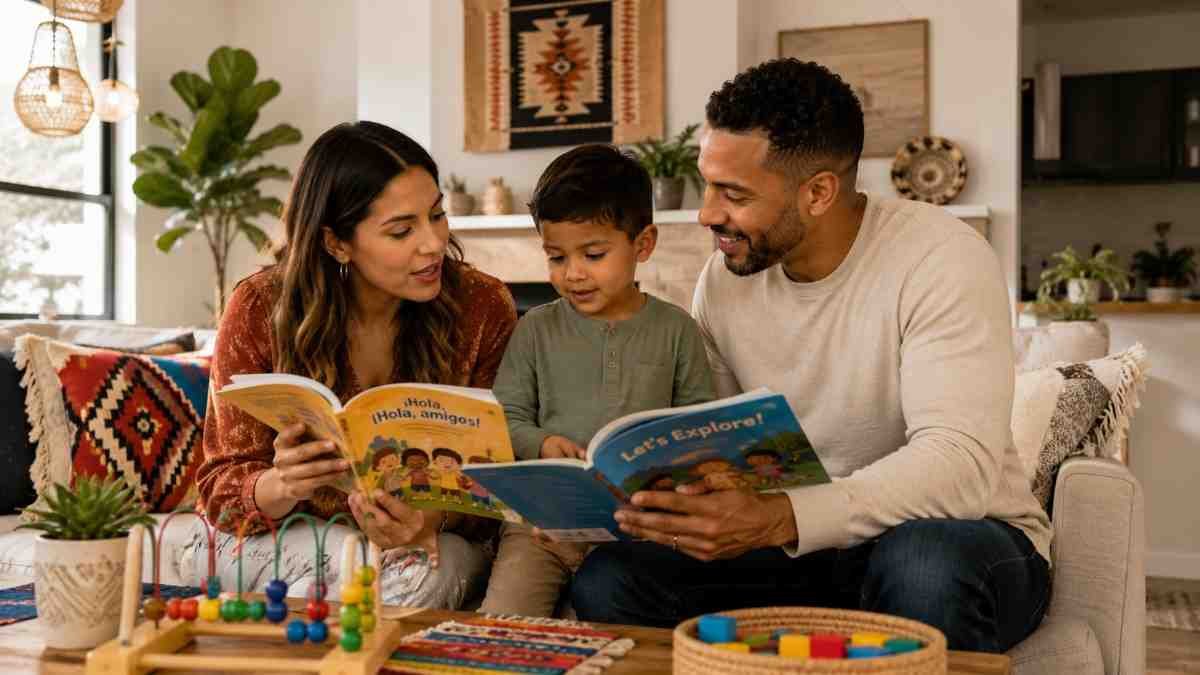
In today’s increasingly interconnected world, bilingualism is far more than a valuable cognitive asset—it is a deep cultural bridge and a lifelong advantage. Many parents dream of raising children who can comfortably navigate multiple languages, whether to preserve their cultural heritage, unlock future global career opportunities, or foster a deeper empathy for diverse communities.
While the path to early bilingualism is a rewarding marathon rather than a sprint, establishing clear, practical strategies early on can make all the difference. By understanding how children acquire language and utilizing consistent home and educational practices, parents can confidently set their children up for bilingual success.
The Lifelong Benefits of Early Bilingualism
Before establishing a language strategy, it is helpful to appreciate the developmental benefits that bilingualism provides. From a cognitive perspective, learning and managing two languages regularly exercises the brain’s executive function. Bilingual children frequently show enhanced abilities in multitasking, memory retention, problem-solving, and attention control.
Furthermore, early language acquisition builds what researchers call “metalinguistic awareness”—an understanding of how languages are structured and work. This linguistic flexibility often translates into significant academic advantages, helping children perform exceptionally well in reading comprehension, vocabulary development, and mathematics.
Culturally, bilingualism helps children build stronger connections with extended family, foster deep respect for diversity, and develop a lasting global mindset.
Best Practices for Raising a Bilingual Child
Nurturing two languages under one roof is highly achievable with the right framework. Here are the most effective, research-backed best practices for parents to follow:
1. Adopt a Structured Method (Like OPOL)
One of the most popular and successful strategies is the One Person, One Language (OPOL) method. In this approach, each parent consistently speaks a different language to the child. For example, one parent might communicate exclusively in Spanish while the other speaks in English.
This division provides a clear, natural structure that helps young minds categorize vocabulary and phonetic rules without confusion. Even if your child responds to you in the dominant language of their school, remaining consistent in your native tongue ensures they continue to build strong receptive language skills.
2. Create a Language-Rich Environment
To ensure well-rounded vocabulary development, parents should surround their children with both languages through everyday experiences. Reading vibrant picture books, singing traditional songs, playing interactive games, and watching educational programs in the target language are excellent ways to build fluency.
Environment affects academic focus greatly. Making language acquisition fun and low-pressure ensures children remain motivated and excited to learn.
3. Handle Code-Switching with Patience
It is entirely natural for bilingual children to mix their languages within the same sentence, a temporary phase known as “code-switching”. This behavior is not a sign of confusion; rather, it shows that the child is creatively using all of their linguistic tools to express a thought.
Instead of correcting them harshly, parents should gently model the correct phrasing back to them. For instance, if a child says, “I want my zapato,” you can respond warmly with, “Here is your shoe!”.
4. Partner with Professional Immersion Programs
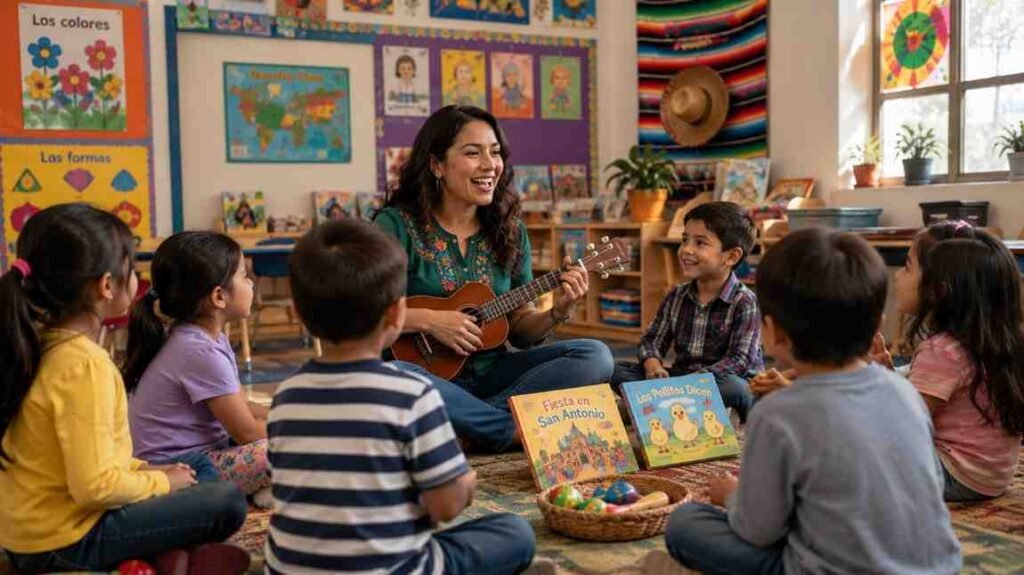
While daily efforts at home are vital, partnering with a supportive academic environment can accelerate a child’s bilingual journey. Enrolling your child in a dedicated Spanish immersion school in San Antonio provides structured, play-based learning where both language and Latin American culture are organically embedded into daily routines.
Early childhood is the absolute best window for this immersion, as the brain is uniquely primed to differentiate sounds and mimic complex grammar rules effortlessly. This consistent exposure to native-speaking educators and peer groups helps children build communication confidence, perfect their pronunciation, and transition naturally into fluent speakers.
5. Cultivate Community Connections
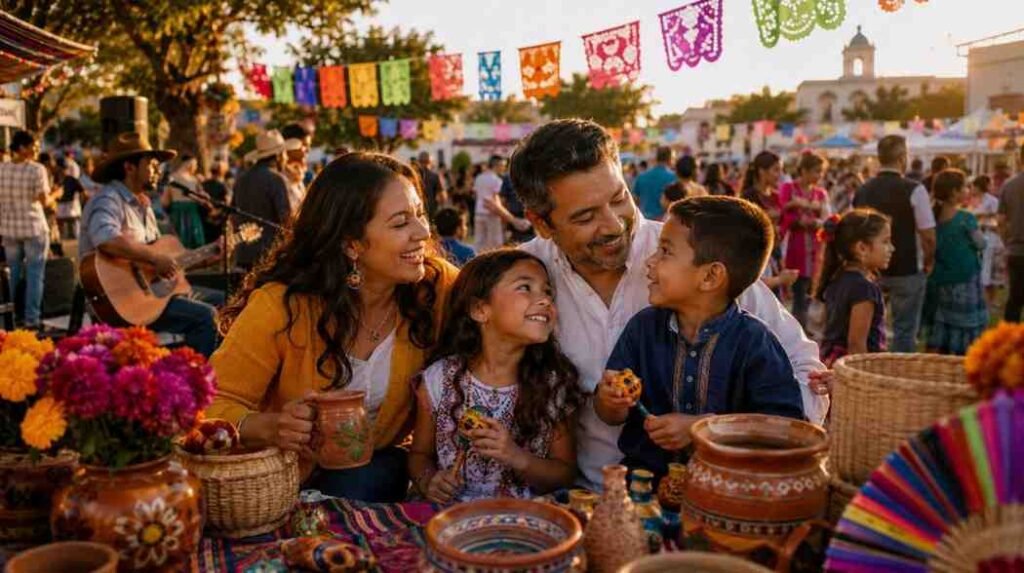
Encourage your child to practice their language skills outside of the home and classroom. Connecting with other bilingual families, participating in local cultural festivals, or virtually calling extended family members are great ways to emphasize the real-world value of their skills.
Additionally, organizing simple bilingual playdates helps solidify the language as a natural, active tool rather than an academic subject. When children see their target language being actively celebrated and used by a broader community, they are much less likely to resist using it.
Embracing the Journey
Raising a bilingual child requires patience, consistency, and a highly supportive network. It is completely normal for children to favor one language over the other at different stages of their development. It helps kids excel at school with ease. What matters most is maintaining a positive, encouraging, and loving environment where language is a bridge to joy, curiosity, and endless future opportunities.